






The Evolution of Art Through the Ages
The world of art is a vibrant tapestry woven with diverse threads of creativity and expression. From the classical masterpieces of the Renaissance to the avant-garde works of the 20th century, each era has contributed uniquely to the rich tapestry of art history. Understanding these movements provides a deeper appreciation of the cultural and historical contexts that shaped them.
The Renaissance: A Rebirth of Classical Ideals
The Renaissance, spanning the 14th to the 17th century, marked a significant revival of classical learning and values. Artists like Leonardo da Vinci, Michelangelo, and Raphael emerged during this period, revolutionizing art with their mastery of perspective, anatomy, and human emotion. This era laid the foundation for Western art, emphasizing realism and individualism.
Baroque and Rococo: Drama and Ornamentation
Following the Renaissance, the Baroque period (17th century) introduced dramatic use of light, shadow, and movement. Artists such as Caravaggio and Rembrandt created intense, emotionally charged works. The subsequent Rococo period (early 18th century) was characterized by ornate, playful, and decorative art, as seen in the works of Jean-Honoré Fragonard and Antoine Watteau.
Impressionism: Capturing the Fleeting Moment
The 19th century saw the rise of Impressionism, a movement that sought to capture the transient effects of light and color. Pioneered by artists like Claude Monet, Pierre-Auguste Renoir, and Edgar Degas, Impressionism broke away from traditional techniques, emphasizing spontaneous brushwork and accurate depiction of light. This movement paved the way for modern art.
Modernism and Beyond: Breaking the Mold
The early 20th century witnessed a radical shift with the advent of Modernism. Artists like Pablo Picasso and Georges Braque pioneered Cubism, fragmenting forms to represent multiple perspectives simultaneously. Other movements, such as Surrealism, Abstract Expressionism, and Pop Art, further pushed the boundaries of artistic expression. Each of these movements reflected the social, political, and cultural upheavals of their times.
For a more detailed exploration of these and other art historical movements, you can refer to resources like sanat tarihi akımları genel bakış, which offers a comprehensive overview of the evolution of art through the ages.
The Impact of Globalization on Art
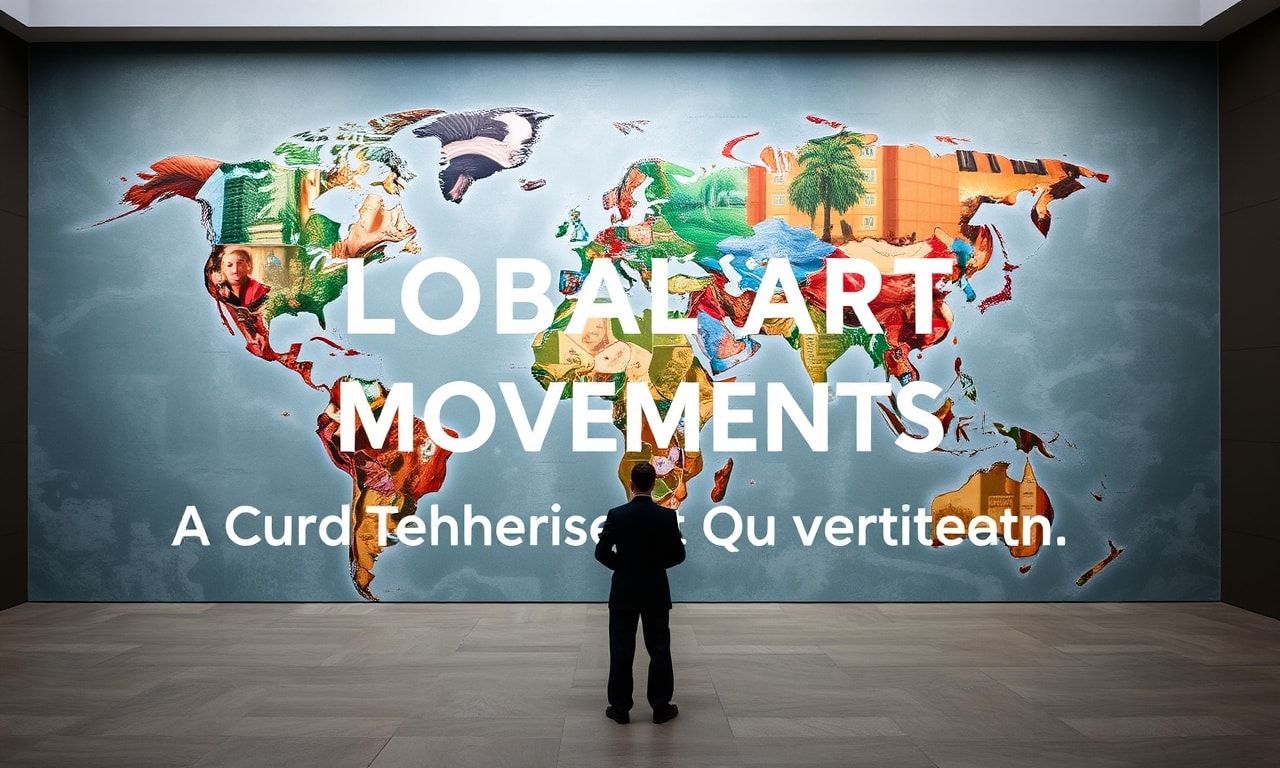
In recent decades, globalization has played a pivotal role in shaping the art world. Artists from diverse cultural backgrounds have gained international recognition, enriching the global art scene with their unique perspectives. This intercultural exchange has led to the emergence of new art forms and styles, fostering a more inclusive and dynamic artistic landscape.
Contemporary Art: Innovation and Experimentation
Contemporary art continues to evolve, embracing new technologies and mediums. Digital art, installation art, and performance art are just a few examples of the innovative approaches artists are taking today. This period is marked by a spirit of experimentation and a willingness to challenge traditional norms, reflecting the complexities of the modern world.
The Future of Art: Trends and Predictions
As we look to the future, several trends are emerging that promise to shape the art world. The increasing use of artificial intelligence and virtual reality in art creation is opening up new possibilities for artistic expression. Additionally, there is a growing emphasis on sustainability and environmental consciousness, with many artists using their work to raise awareness about pressing global issues.
The art world is in a constant state of flux, driven by the creative spirit and the ever-changing cultural landscape. By understanding the historical context and contemporary trends, we can better appreciate the enduring power of art to inspire, challenge, and transform our world.