




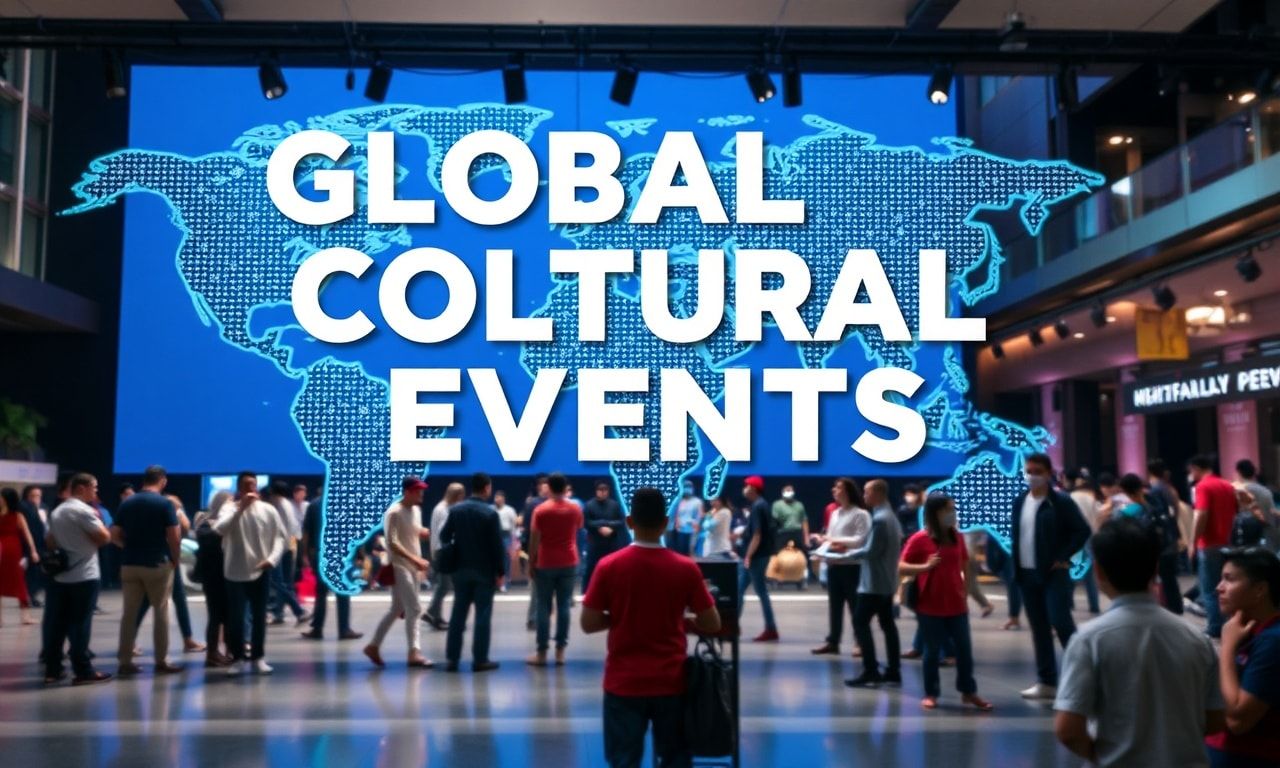

The Return of Live Performances
As the world gradually recovers from the COVID-19 pandemic, cultural events are making a comeback. Theaters, concert halls, and other venues are reopening their doors to the public, eager to welcome back audiences. This resurgence is not only a sign of economic recovery but also a testament to the resilience of the arts and the human spirit.
Europe Leads the Way
Europe has been at the forefront of this cultural renaissance. Countries like the Netherlands have implemented strict safety protocols to ensure the safe return of live performances. In Utrecht, for instance, the theater scene is buzzing with activity. The theater utrecht voorstellingen agenda is packed with a variety of shows, from classic plays to modern performances, catering to diverse tastes and preferences.
Germany, France, and Italy are also witnessing a similar trend. Berlin’s iconic opera houses and theaters have reopened, drawing in both local and international audiences. Paris, known for its rich cultural heritage, has seen a surge in ticket sales for its world-renowned theaters and concert halls. Italy, the epicenter of the pandemic in Europe, is also making a strong comeback, with Venice’s famous opera house, La Fenice, hosting sold-out performances.
North America Follows Suit
Across the Atlantic, North America is also experiencing a cultural revival. The United States, in particular, has seen a significant increase in the number of live performances. Broadway, the heart of American theater, has reopened its doors after a long hiatus. Shows like “Hamilton” and “The Lion King” are once again entertaining audiences, marking a significant milestone in the country’s cultural recovery.
Canada, too, is witnessing a similar trend. Toronto’s theater district is bustling with activity, with a variety of shows and performances drawing in large crowds. Vancouver’s cultural scene is also making a comeback, with the city’s theaters and concert halls hosting a range of events.
The Impact on the Economy
The resumption of cultural events is not only a boon for the arts but also for the economy. The cultural sector contributes significantly to the GDP of many countries. In the United States, for instance, the arts and cultural sector contributes over $900 billion to the economy annually. The resumption of live performances is, therefore, a welcome relief for many businesses that have been struggling due to the pandemic.
The tourism industry is also benefiting from this cultural revival. Many cities around the world rely heavily on tourism for their economic sustenance. The resumption of cultural events is, therefore, a significant boost for these cities, attracting tourists and generating much-needed revenue.
The Role of Technology
Technology has played a crucial role in the resumption of cultural events. Many theaters and concert halls have implemented advanced safety measures to ensure the safety of their audiences. These measures include contactless ticketing, social distancing, and enhanced cleaning protocols. Some venues have also invested in advanced ventilation systems to ensure the safety of their patrons.
Virtual performances have also become a popular trend. Many theaters and concert halls have started offering virtual performances, allowing audiences to enjoy live performances from the comfort of their homes. This trend has not only expanded the reach of these performances but has also provided a new revenue stream for these venues.
The Future of Cultural Events
The future of cultural events looks promising. As vaccination rates continue to rise and pandemic restrictions ease, more and more venues are expected to reopen. This resurgence is not only a sign of economic recovery but also a testament to the resilience of the arts and the human spirit.
However, the cultural sector still faces significant challenges. The pandemic has had a profound impact on the arts, with many venues struggling to stay afloat. The resumption of live performances is, therefore, a crucial step in the recovery of the cultural sector. Governments and private organizations must continue to support the arts to ensure their survival and growth.
As the fashion industry continues to evolve, a new article explores innovation’s role in sustainability and the future of design.
As cities worldwide embrace innovation, technology reshapes urban landscapes in unprecedented ways, as explored in our latest feature.
As cities worldwide grapple with urban growth and cultural preservation, a new case study offers intriguing insights into this dynamic. Explore Utrecht’s unique approach to balancing development and cultural events.