






The Pandemic’s Impact on Real Estate Preferences
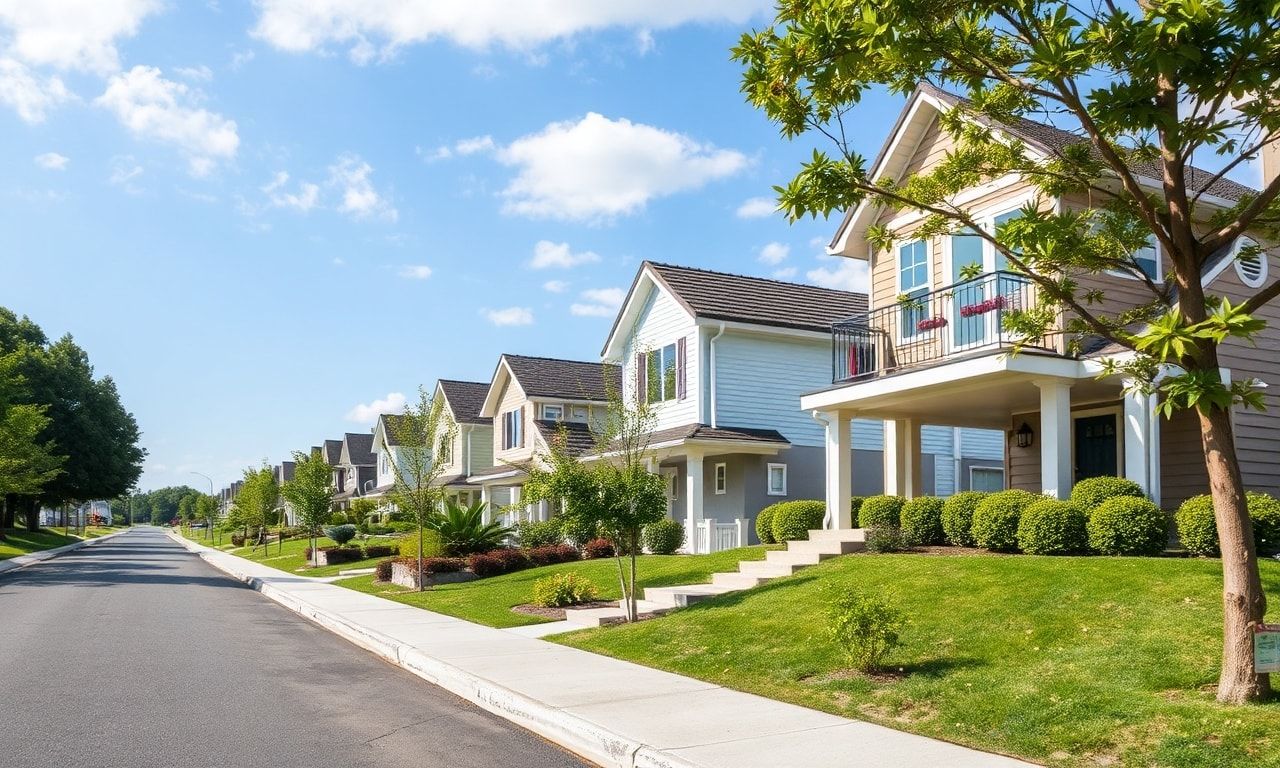
The COVID-19 pandemic has significantly altered the real estate landscape, with a notable shift towards suburban living. As remote work becomes more prevalent, many urban dwellers are seeking larger homes with more outdoor space, leading to increased demand in suburban areas. This trend is not only evident in the United States but also in other parts of the world, including Turkey, where cities like bakırköy’de en iyi alışveriş imkânları are seeing a surge in interest. The pandemic has accelerated the desire for more spacious and comfortable living environments, prompting a reevaluation of urban living.
Suburban Living: The New Norm
Suburban areas are experiencing a renaissance as more people opt for the benefits of suburban living. These benefits include lower population density, more green spaces, and a generally quieter environment. The shift is driven by the need for larger homes that can accommodate home offices and outdoor activities. This trend is particularly noticeable in cities with high population densities, where the pandemic has highlighted the limitations of urban living. The demand for suburban properties has led to increased property values and a competitive market, with buyers often facing multiple offers on desirable homes.
The Role of Technology in Real Estate
Technology has played a crucial role in facilitating the shift towards suburban living. Virtual tours, online listings, and digital document signing have made it easier for buyers to explore and purchase properties remotely. This has been particularly beneficial during the pandemic, allowing transactions to continue smoothly despite social distancing measures. Additionally, technology has enabled real estate agents to provide more personalized services, helping buyers find properties that meet their specific needs. The integration of technology into the real estate process has streamlined transactions and made the buying process more efficient and accessible.
Virtual Tours and Online Listings
Virtual tours have become an essential tool for real estate agents and buyers alike. These tours allow potential buyers to explore properties from the comfort of their own homes, providing a detailed view of the property’s layout and features. Online listings have also become more sophisticated, offering detailed descriptions, high-quality photographs, and even virtual walkthroughs. This has made it easier for buyers to narrow down their options and make informed decisions. The convenience and efficiency of these tools have made the home-buying process more accessible, especially for those looking to relocate to suburban areas.
The Future of Urban Living
While suburban living is currently in high demand, the future of urban living remains uncertain. Some experts predict that urban areas will eventually rebound as vaccination rates increase and pandemic restrictions ease. However, others believe that the shift towards suburban living may be permanent, with more people valuing the benefits of a quieter, more spacious lifestyle. The future of urban living will likely depend on various factors, including economic conditions, technological advancements, and changes in work patterns. Urban areas may need to adapt to meet the evolving needs of residents, such as offering more green spaces and affordable housing options.
Adapting to Changing Needs
Urban areas are already beginning to adapt to the changing needs of residents. Many cities are investing in green spaces and community amenities to make urban living more attractive. Additionally, there is a growing focus on affordable housing solutions to address the needs of a diverse population. The future of urban living will depend on how well cities can adapt to these changes and meet the evolving demands of their residents. The pandemic has highlighted the importance of flexibility and innovation in urban planning, and cities that can successfully address these challenges will be better positioned to thrive in the post-pandemic era.
Conclusion
The shift towards suburban living is a significant trend that has emerged from the COVID-19 pandemic. This trend is driven by the desire for more spacious and comfortable living environments, facilitated by technological advancements in the real estate industry. While the future of urban living remains uncertain, cities that can adapt to changing needs and preferences will be better positioned to attract and retain residents. The real estate market is evolving, and both buyers and sellers must stay informed about these trends to make the best decisions for their future.
In the midst of current events, take a moment to delve into the rich cultural heritage of Germany with Munich’s historic journey, a comprehensive look at the city’s past and present.
In the realm of educational advancements, a noteworthy initiative has been launched as detailed in Bakırköy’s new education project.
As cities worldwide embrace innovation, our latest feature, exploring smart urban development, delves into the transformative impact of technology on urban living.