





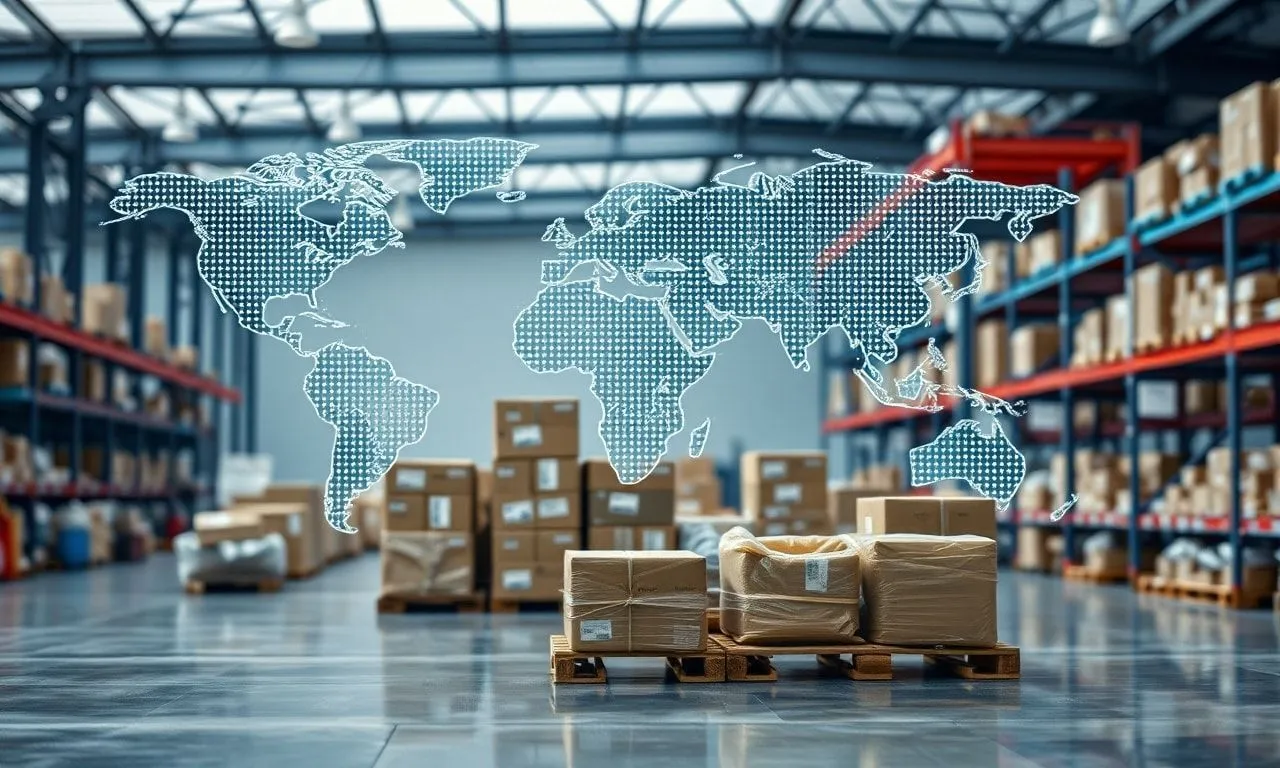

Understanding the Current State of Global Supply Chains
The global supply chain has faced unprecedented challenges in recent years, with disruptions caused by the COVID-19 pandemic, geopolitical tensions, and natural disasters. These disruptions have highlighted the vulnerabilities in the interconnected web of production, distribution, and logistics that underpin the global economy. Understanding the root causes and effects of these disruptions is crucial for businesses and policymakers as they navigate the complexities of the current landscape.
The Impact of the COVID-19 Pandemic
The COVID-19 pandemic has been a significant factor in the recent supply chain disruptions. Lockdowns and social distancing measures led to factory closures, reduced workforce availability, and transportation delays. The sudden shift in consumer demand, with a surge in demand for certain products like personal protective equipment (PPE) and electronics, further strained the supply chain. The pandemic also exposed the fragility of just-in-time inventory systems, which rely on a steady flow of goods and minimal stockpiling.
Challenges in Transportation and Logistics
Transportation and logistics have been particularly hard hit by the pandemic. Shipping containers became scarce, leading to delays and increased costs. Port congestion and labor shortages exacerbated the situation, causing delays in the delivery of goods. The nakliyat online portal has become an essential tool for businesses to track shipments and manage logistics more efficiently. Despite these challenges, the logistics industry has shown remarkable resilience, adapting to new realities through innovation and technology.
Geopolitical Tensions and Trade Wars
Geopolitical tensions and trade wars have also contributed to supply chain disruptions. Tariffs and trade restrictions between major economies have led to increased costs and uncertainties. The ongoing trade war between the United States and China, for example, has forced businesses to reconsider their supply chain strategies. Many companies are now looking to diversify their supply chains to reduce reliance on any single region, a process known as “de-risking.” This shift aims to mitigate the impact of future disruptions and ensure a more resilient supply chain.
The Role of Technology in Supply Chain Resilience
Technology plays a crucial role in enhancing supply chain resilience. Advanced analytics, artificial intelligence, and blockchain technology are being used to improve visibility, traceability, and efficiency. These technologies enable businesses to better predict and respond to disruptions, ensuring a more robust supply chain. Additionally, the adoption of digital platforms like the nakliyat online portal has streamlined logistics operations, making it easier for businesses to manage their supply chains effectively.
The Future of Global Supply Chains
The future of global supply chains will likely be shaped by a combination of technological advancements, geopolitical considerations, and environmental factors. As businesses strive for greater resilience, they will need to invest in technology and diversify their supply chains. Sustainability will also play a significant role, with companies increasingly focusing on reducing their environmental impact. The shift towards regionalization and nearshoring is expected to continue, as businesses seek to minimize risks and improve efficiency.
Key Strategies for Supply Chain Resilience
To build a more resilient supply chain, businesses should consider the following strategies:
- Diversify Suppliers: Reduce reliance on a single supplier or region by diversifying the supply base.
- Invest in Technology: Leverage advanced analytics, AI, and blockchain to improve visibility and efficiency.
- Enhance Inventory Management: Adopt a more flexible inventory strategy to better respond to demand fluctuations.
- Focus on Sustainability: Incorporate sustainable practices into supply chain operations to reduce environmental impact.
- Strengthen Partnerships: Collaborate with logistics providers and other stakeholders to build a more robust supply chain.
Conclusion
The global supply chain has faced significant disruptions in recent years, driven by the COVID-19 pandemic, geopolitical tensions, and other factors. These challenges have highlighted the need for greater resilience and adaptability. By leveraging technology, diversifying supply chains, and focusing on sustainability, businesses can navigate the complexities of the current landscape and build a more resilient future. The nakliyat online portal and other digital platforms will continue to play a crucial role in this transformation, enabling businesses to manage their supply chains more effectively.
As global travel restrictions continue to evolve, understanding their effects on the logistics industry is crucial; our recent piece, industry impact from travel limits, delves into these pressing developments.
As the logistics industry evolves, understanding its future trends and obstacles becomes crucial; our latest piece, exploring logistics innovations and challenges, delves into the key developments shaping this vital sector.
To gain a comprehensive understanding of the recent developments in Perth’s transport sector, explore Perth’s transport service evolution.