





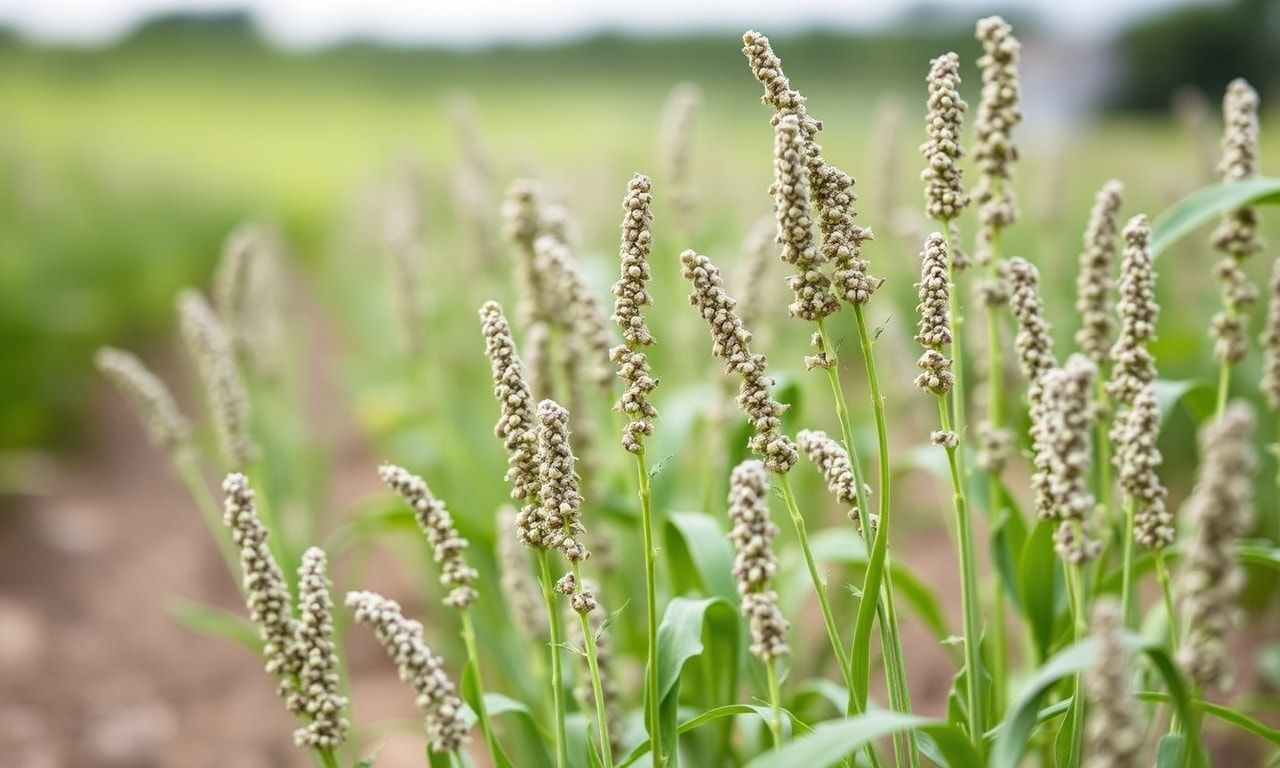

The Rise of Chia Seed Farming in Duxbury
Duxbury, a town known for its rich agricultural heritage, is witnessing a surge in the cultivation of chia seeds. This trend is part of a broader movement towards diversifying crops and exploring sustainable farming practices. Chia seeds, once a staple in ancient Aztec diets, have gained popularity in recent years due to their nutritional benefits and versatility in various industries, including animal feed.
Why Chia Seeds?
The demand for chia seeds has been steadily increasing, driven by health-conscious consumers and the growing interest in plant-based diets. Chia seeds are rich in omega-3 fatty acids, fiber, and protein, making them a valuable addition to both human and animal diets. Farmers in Duxbury are capitalizing on this trend by integrating chia seed farming into their operations, thereby enhancing the local economy and promoting agricultural diversity.
One of the key advantages of chia seed farming is its relatively low water requirement compared to other crops. This makes it an attractive option for farmers looking to conserve water resources while still achieving high yields. Additionally, chia plants are resilient and can thrive in various soil conditions, further contributing to their appeal among local farmers.
Chia Seed Farming for Animal Feed
Chia seeds are not only beneficial for human consumption but also serve as a nutritious component in animal feed. The high protein and fiber content of chia seeds can improve the overall health and productivity of livestock. For instance, incorporating chia seeds into poultry feed has been shown to enhance egg production and quality. Similarly, chia seeds can be a valuable addition to the diets of cattle and other livestock, promoting better digestion and overall health. For more insights into chia seed farming for animal feed, farmers can explore resources available at chia seed farming for animal feed.
Challenges and Considerations
Despite the numerous benefits, chia seed farming is not without its challenges. One of the primary concerns is the initial investment required for setting up the infrastructure and acquiring the necessary seeds and equipment. Farmers need to carefully plan and budget for these expenses to ensure a successful harvest. Additionally, chia seeds require specific growing conditions, including adequate sunlight and well-drained soil, which may not be readily available in all areas.
Another challenge is the competition from established chia seed producers in other regions. To stay competitive, Duxbury farmers must focus on quality and sustainability. By adopting best practices and leveraging local resources, they can differentiate their products and attract a loyal customer base. Collaboration with agricultural experts and participation in farming cooperatives can also provide valuable support and resources.
Community and Economic Impact
The growing popularity of chia seed farming in Duxbury is having a positive impact on the local community. New job opportunities are being created, from planting and harvesting to processing and marketing. This not only benefits the farmers but also contributes to the overall economic development of the town. Furthermore, the increased demand for chia seeds is fostering a sense of community and collaboration among local farmers, who are sharing knowledge and resources to enhance their collective success.
The environmental benefits of chia seed farming are also noteworthy. As a drought-resistant crop, chia seeds require less water than many other crops, helping to conserve this precious resource. Additionally, chia plants can improve soil health by preventing erosion and enhancing soil structure. These environmental advantages align with the growing emphasis on sustainable and eco-friendly farming practices.
Looking Ahead
The future of chia seed farming in Duxbury looks promising. As consumer demand for chia seeds continues to rise, farmers have the opportunity to expand their operations and explore new markets. By staying informed about the latest agricultural technologies and best practices, they can optimize their yields and ensure the long-term viability of their farms. Additionally, supporting research and development in chia seed farming can lead to innovations that further enhance productivity and sustainability.
In conclusion, the rise of chia seed farming in Duxbury represents a positive shift towards diversified and sustainable agriculture. By embracing this trend, local farmers are not only improving their economic prospects but also contributing to the well-being of their community and the environment. As the demand for chia seeds continues to grow, Duxbury is poised to become a key player in this thriving industry.