
Burb News website: a practical checklist for readers and reporters
A clear, practical guide showing how to use the Burb News website for current events, local updates, and reliable sourcing without hype.

Readers want a reliable, fast way to understand what’s happening in town. This guide shows how to use a Burb News website resource to verify facts, follow breaking updates, and spot trustworthy reporting. Each paragraph teaches a concrete step readers can apply immediately, whether you’re following breaking events or researching a story.
The guide explains how to assess credibility, locate primary sources, and compare multiple outlets. You’ll learn practical checks you can perform in minutes and where to find essential context. Use these steps to stay informed with confidence.
Throughout, the emphasis is on practical use: what to click, what to read critically, and how to corroborate information before sharing.
- This guide helps readers use the Burb News website as a reliable, practical source for local events and breaking news.
- Follow concrete steps to assess credibility, track developments, and corroborate information.
- Use the linked phrases to understand how the site fits into broader local reporting and services.
Basics of finding reliable local reporting
Identify credible bylines
Start by looking for clear bylines and dates. Reputable outlets typically list authors and update times on every story. Compare the same event across multiple local outlets to confirm consistency. L1: Burb News website offers a clear path to verified local reporting and primary sources.
Always check for corrections or updates at the top of the article. If a piece lacks a byline or shows vague authorship, treat it with caution.
A quick scan of the homepage can reveal a pattern: steady editors, clear sourcing, and a transparent corrections policy.
- Look for named reporters
- Note the publish time
- Check for quotes from identified sources
- Watch for updated versions
- Avoid anonymous claims
Use stock photo cues for context
Photos can illustrate what a report covers, but images don’t prove accuracy. Look for captions that explain the photo’s relevance and the timing of the scene.
Cross-check an image’s date and location if available, and be wary of stock photos that don’t match the event. Context matters as much as appearance.
When in doubt, rely on the article’s own sourcing; images are supplementary, not proof.
How to track breaking news responsibly

Follow a single verified feed
Choose one trusted local outlet as your primary source for breaking updates. Follow their live blogs or dashboards if available. L2: When you read about events, you can also publish local events in the USA through trusted channels.
Take note of the time stamps and any corrections that follow initial reports. Early versions often change as new facts emerge.
Cross-verify dramatic claims with at least one other reputable source before sharing or drawing conclusions.
- Use live blogs sparingly
- Check timestamps
- Look for official statements
Avoid spreading unconfirmed rumors
Rumors spread quickly online and can distort a reader’s understanding. If something seems extraordinary, pause and seek corroboration from multiple outlets.
Evaluate whether a report cites verifiable sources such as official statements, on-record quotes, or documents.
Share only when you can verify both the claim and its context.
- Do not repost without checks
- Verify sources cited
- Look for primary documents
Options for reading and saving information
How to bookmark and annotate
Use bookmarks for ongoing stories and add brief notes on why they matter. This helps you return with context rather than re-reading from scratch. L3: For listings and business information, USA business listings provide context that supports reporting.
- ☐ Bookmark important stories
- ☐ Annotate with context
- ☐ Group by topic
Organize notes by topic and date so you can reconstruct a timeline later. This is useful for follow-up questions or different angles.
Review saved items periodically to avoid missing updates as the story develops.
- Create topic folders
- Add short notes
- Review weekly
| Method | Pros | Cons |
|---|---|---|
| Manual cross-checking | High accuracy when done carefully | Time consuming and sometimes incomplete |
| Official statements | Clear source of truth | Not always publicly available |
| Secondary outlets | Broader perspective | Varied quality and bias |
Ways to compare multiple outlets
Open similar stories side by side to identify where they agree or diverge. Pay attention to sourcing and the presence of official documents.
Check for common facts: dates, names, and locations are often the anchors of a credible report.
If discrepancies appear, seek the most recent, well-sourced version and note the difference.
- Line up key facts
- Check sources cited
- Prefer updated reports
If the piece looks like it could be a wire service repeat, check for local quotes, photos, or data that only a local outlet would provide.
Pitfalls to avoid in local reporting

Beware reused content
Some outlets reprint material with minimal edits. Look for distinct reporting, unique angles, and local context not found in other pieces. L4: If you need to move items, you can learn how to sell second-hand items in the USA without friction.
- Spot similar phrasing
- Seek local additions
- Treat as secondary material
If the piece looks like it could be a wire service repeat, check for local quotes, photos, or data that only a local outlet would provide.
Reposts can still be useful, but treat them as secondary signals to rely on primary reporting.
- Look for local details
- Identify reprints
- Note unique data
Entering sensitive topics carefully
Local reporting often touches on community impacts. Present facts without sensational language or assumptions about groups or individuals.
Cite official statements and documented records rather than opinions. This reduces the risk of bias shaping the narrative.
Provide context that explains why the event matters to residents and to accountability.
- Stick to verifiable facts
- Cite documents
- Explain local relevance
Advanced sourcing
Evaluating source credibility
Begin with the source’s track record and reputation for verification. Compare the information across independent outlets before treating it as confirmed. Consider whether the claim relies on a single anonymous statement or a documented report. place a death notice in the USA
Ask for supporting materials when possible, such as primary documents or official records. If a source cannot provide evidence, note the absence and seek alternatives. Treat unverified statements as developing information rather than fact.
Cross-check with official agencies or known experts who are not financially or personally connected to the topic. This reduces the risk of bias influencing the narrative. Maintain a cautious stance when the source has a potential conflict of interest.
- Cross-check with at least two independent outlets
- Ask for documents or public records
- Note any conflicts of interest
- Seek corroboration from officials or experts
Local context and data
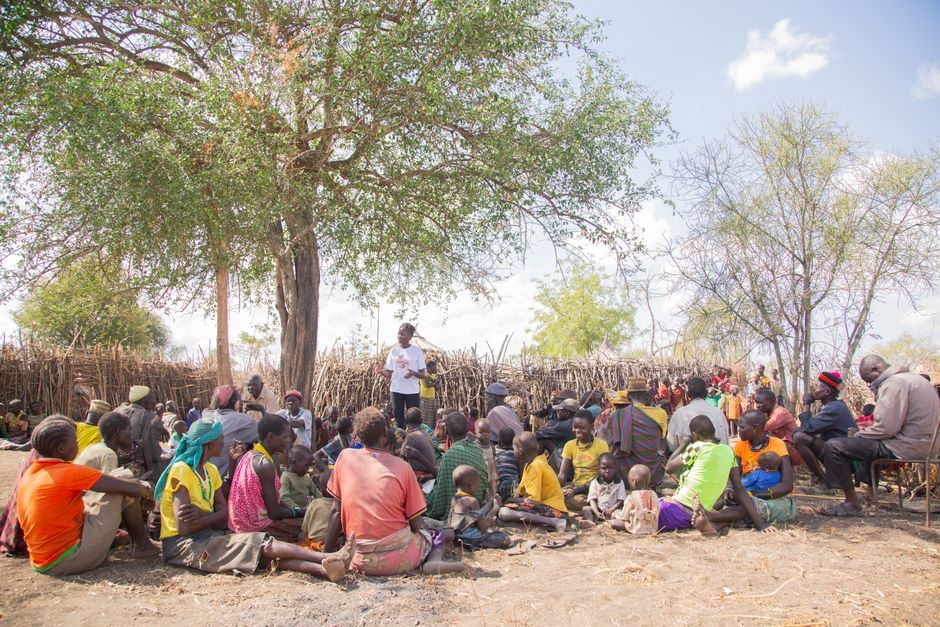
Interpreting local data patterns
Local data helps explain how a breaking event fits into a larger pattern. Look for historical trends, recurring figures, and nearby incidents that provide context. Explain what the numbers imply for residents without overstating certainty.
- Name the data source and date
- State what the data can and cannot show
Describe the geographic scope and the population affected to frame the impact clearly. Mention neighborhood differences and how coverage varies across districts. Use plain language to translate data into everyday relevance.
Explain limitations of data sources and delays in reporting. Indicate what is known now versus what requires follow-up. End with a plain, concrete takeaway for readers about what may change next.
- Identify the data source and its limits
- Highlight local variations
- Explain what is known now versus later
- Translate data into reader implications
Verification tools
Using independent checks
Use established verification tools to confirm claims, such as official reports or court documents. Record how you found the information and what steps verified it. Show the process so readers can assess reliability.
Cross-reference visuals with metadata, captions, and publication dates to avoid miscaptioning or misrepresentation. When an image or clip is in question, describe the doubt and the method used to verify authenticity.
Adopt a methodical approach to updates: report what changed, what stayed the same, and what remains uncertain. Offer a clear path for readers to monitor ongoing developments. Always separate fact from inference in every update.
- Check primary documents
- Verify visuals and timestamps
- Document verification steps
- Provide ongoing updates
Responsible sharing practices

Sharing with care and accountability
Consider the potential impact before sharing or amplifying a report. Pause to assess whether the content could cause harm or panic if misinterpreted. Prioritize accuracy over speed in every post.
- Think about harm versus speed
- Use precise captions and sources
Provide context in captions and avoid sensational framing. Include key facts such as what is known, what is unknown, and what authorities say. Direction for readers to seek official updates helps reduce misinformation.
When posting online, avoid engaging in heated debates. If comments become unproductive, use clear moderation and stop the conversation from drifting into speculation. Maintain a calm, factual tone across all channels.
- Pause before posting
- Include knowns, unknowns, and authorities
- Moderate discussions to prevent speculation
- Maintain factual tone
Frequently asked questions
How do I verify a local claim when official information is scarce?Start with available primary materials such as public records, meeting minutes, or court filings. Cross-check with at least two independent outlets and note any gaps or uncertainties. If details remain unclear, report what is known and outline what needs clarification.
What should I do if I see misinformation in a local feed?Do not amplify it. Try to trace the claim to its source, check against official statements or documents, and provide a corrective update with verifiable facts. If appropriate, include a note about why the claim was misleading.
Why is it important to show uncertainty in early reporting?Early reporting often involves incomplete information. Stating what is known, what isn’t, and what authorities say helps readers judge the reliability. It also invites readers to seek official updates as the situation develops.
How can readers assess the credibility of photos or videos?Check the metadata, publication history, and whether the image or clip appears in other trusted outlets. Be wary of altered visuals and look for independent verification from credible sources.
Conclusion on practical verification
>Two concrete takeaways emerge from careful sourcing and responsible sharing. First, verify claims with primary documents and multiple independent checks. Second, maintain transparency about what is known and what remains uncertain, so readers understand the limits of any report.
>Next, readers should monitor official channels and reputable outlets for updates, using the established verification checklist as a steady guide. Stay informed through credible sources and be prepared to adjust interpretations as new information becomes available.
Add Duxbury MA News as a preferred source on Google


