
España Reporte últimas noticias: practical reader guide
A practical guide for readers of Duxbury News on accessing and using España Reporte últimas noticias with clear steps, options, and pitfalls.

Readers curious about España Reporte últimas noticias want a clear path to reliable updates. This guide explains what the resource offers, how to access it, and what to watch for. It emphasizes practical steps you can take today to stay informed and verify what you read.
First, know what kind of updates the site provides and how to spot breaking coverage. Next, identify the most trustworthy sections and time windows for updates. Finally, learn practical ways to cross-check headlines before sharing.
By the end, you’ll have a concrete plan for using the España Reporte últimas noticias resource without guesswork, keeping you informed and mindful of accuracy.
- Use España Reporte últimas noticias for timely Spain updates.
- Learn how to verify headlines and cross-check with multiple sources.
- Implement a daily routine to stay informed without overload.
- Be cautious with early reports and look for official statements.
Basics and access
What the resource covers
This section outlines the type of content España Reporte últimas noticias regularly publishes, including breaking events and daily briefs. It explains how coverage is structured so readers can find updates quickly. Expect concise summaries, core facts, and links to fuller reports when available.
The article also describes regional emphasis and how different language or regional editions may present information. It warns readers to check timestamps and story versions to avoid outdated or rewritten items. Practical tips help you decide when to rely on a live ticker versus a full report.
The goal is to set expectations: not every update is definitive, and corroboration matters. You’ll learn how to distinguish initial reports from confirmed details as events unfold.
- Check the timestamp before reading
- Look for corroborating sources
- Note whether a story is a live update or a finished report
- Compare headlines across editions
- Watch for rewritten posts to avoid confusion
How to navigate the site
Navigation tips help you locate España Reporte rápidamente during fast-moving events. Start at the home page, then use the breaking news banner to jump to current items. A clear section list reduces time spent hunting for verified reports.
The guide covers search strategies and the usefulness of bookmarks or a personal reading list. It explains why sorting by most recent updates can be more reliable than following scattered social shares.
You’ll also learn how to switch between language settings if available, to compare how different audiences are covered.
- Use the breaking banner for top updates
- Bookmark trusted reporters or pages
- Sort by most recent for fast-moving stories
- Cross-check with regional editions
- Avoid echo-chamber feeds
Ways to verify information
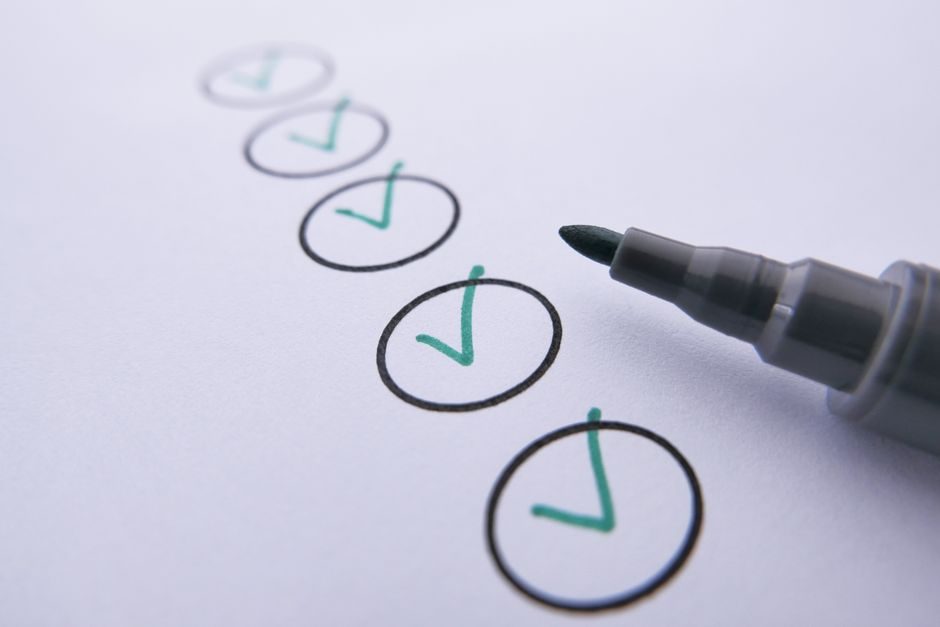
Cross-checking headlines
Headlines often capture the gist, but confirmation requires reading the full article. This sub-section shows how to verify headline claims by opening the full report and noting dates, sources, and attributed quotes. inscribir un evento en España becomes straightforward with official forms and calendar integration.
It also covers checking multiple outlets within the same time frame to see if facts align. If discrepancies appear, readers should pause and seek official statements or primary reports.
The aim is to avoid spreading incomplete or incorrect information by relying on corroboration.
- Open the full article not just the headline
- Look for cited sources and dates
- Check at least two independent outlets
- Be wary of sensational language
- Note any corrections later posted
When to rely on official statements
Official statements provide a baseline for what is known early in a story. This part explains how to identify statements from credible institutions and how to interpret them without assuming intent or outcomes.
Readers learn to separate official data from analysis or opinion, which helps maintain objectivity in reporting.
The section also discusses timing: early statements are often incomplete, but they form a useful reference point as more information becomes available.
- Distinguish statements from analysis
- Record the source and date
- Compare with subsequent updates
- Use official channels when possible
- Be mindful of evolving figures
Finding Spain-focused coverage
Choosing focused sections
This sub-section shows how to locate España-focused reporting within a larger global news site. It explains where to find regional desks, language-specific pages, and dedicated Spain briefs. promocionar tu empresa en España requires careful targeting and clear messaging.
Readers learn to prioritize content with clear geographic tagging and to identify regional correspondents when available.
The guidance helps you assemble a concise Spain news feed tailored to interests and time constraints.
- Look for regional tags
- Choose Spanish-language pages when available
- Identify dedicated Spain briefings
- Set a daily reading window
- Skip generic international summaries when possible
| Method | Pros | Cons |
|---|---|---|
| Main site view | Depth and context | Can be slower to update |
| Mobile alerts | Timely notices | Risk of overload and over-reading |
| News digest email | Concise summaries | May omit details |
Using the site for timely updates
Timely updates require a steady approach: know when to check the site, how to set alerts, and how to manage information overload.
This piece explains practical routines, such as checking at set times and using a compact summary view for quick daily briefings.
It also covers how to differentiate between live updates and deeper feature pieces.
- Set daily check-ins
- Use a brief daily digest
- Distinguish live updates from features
- Manage notifications carefully
- Keep a short notes file for key facts
It highlights when a direct site visit beats a push alert and when an email digest helps you stay informed without checking constantly.
Finding practical options

Ways readers access España content
There are several access paths to España Reporte últimas noticias, including the main site, mobile app, and curated newsletters. This sub-section explains each path’s strengths and best-use scenarios. artículos en venta en España should be read with attention to context and sourcing.
- A reader checks the app during a commute and saves a few relevant stories for later review.
- Later, they compare those stories with the full site coverage to verify details.
It highlights when a direct site visit beats a push alert and when an email digest helps you stay informed without checking constantly.
Readers gain a practical sense of how to fit Spain-focused news into a daily routine.
- Visit the main site for depth
- Use the mobile app for on-the-go updates
- Subscribe to a Spain-focused digest
- Turn on selective alerts
- Keep a personal notes log
What to do if coverage is incomplete
In some cases, early coverage may be sparse. This sub-section gives steps to manage that gap, including seeking official statements, monitoring subsequent updates, and using other reputable outlets for cross-checking.
It also discusses preserving patience: waiting for more details before sharing helps reporters and readers alike.
The aim is to maintain accuracy without losing the relevance of a developing story.
- Monitor for follow-up posts
- Check official channels for updates
- Cross-check multiple outlets
- Avoid sharing stale or misleading details
- Document what you verified and when
Practical routines
Daily check-ins for Spain coverage
Develop a simple morning routine to review Spain-focused outlets and official sources. Start by scanning major national papers and regional dailies for headlines that affect local communities. This habit helps reporters catch developing stories early and allocate resources efficiently. esquela online en España
Keep a shared checklist to track which topics need updates during the day. Assign clear responsibilities and deadlines to team members to avoid duplication or gaps. Consistent routines reduce turnaround times for breaking news.
Set aside time for quick source verification before publishing. Cross-check key facts with at least two independent outlets or official statements to minimize errors. A calm, repeatable process preserves accuracy even under pressure.
- Use a standing desk for alertness
- Tag potential stories by region for quick retrieval
- Record brief notes from interviews for later use
Handling crises

Rapid response workflow
In a crisis, set a rapid response workflow that prioritizes verified facts over speed. Assign roles for spokesperson, fact-check, and updates. A clear process reduces confusion and preserves credibility.
Publish concise, amendable briefs as facts evolve. Use timestamped updates and avoid speculative statements. This approach helps readers follow the story without feeling misled.
Schedule a post-crisis debrief to assess what worked and what didn’t. Document lessons on sourcing, phrasing, and sleep schedules that impacted coverage. Continuous improvement strengthens newsroom resilience.
- Establish a 15-minute update cadence
- Limit initial claims to confirmed details
- Prepare a prepared quote bank for common questions
Reader resources
Where to find reliable materials
Guide readers to trustworthy repositories and official portals for Spain news. Explain which sources provide primary documents, press releases, and government statements. A clear map helps readers assess what's trustworthy.
Describe how to verify a document’s authenticity, such as checking publication dates, author credentials, and cross-referencing with other outlets. This builds reader confidence in the information they encounter.
Offer tips for navigating regional coverage, including city and autonomous community sites. Emphasize differences in regional reporting and how readers can follow local impacts.
- Look for official government portals
- Check timestamps and author bios
- Cross-check with at least one other outlet
- Identify regional newspapers
Verification toolkit

Cross-checking methods for accuracy
Describe a practical method for verifying claims, such as matching statements across multiple independent sources. This reduces the risk of propagating errors.
Explain how to test photos and videos for authenticity, including reverse image searches and checking metadata where appropriate. Visuals can be misleading, so verification matters.
Provide a quick checklist readers can use when assessing a breaking story, focusing on source reliability, corroboration, and timeline consistency.
- Cross-check with two independent outlets
- Verify dates and locations
- Examine source credibility
Frequently asked questions
What makes a source reliable for Spain news?Reliability comes from official statements, corroboration across independent outlets, and published records. Readers should look for multiple confirmations and transparent sourcing. Misinformation often slips through when only a single outlet is cited.
How can I stay updated without feeling overwhelmed?Set a personal update schedule and limit notifications to major developments. Focus on verified summaries rather than every minor post. A calm cadence helps readers absorb essential details.
Why verify images and clips?Images can be manipulated or taken out of context. Verification involves checking the source, seeking multiple angles, and confirming timestamps and locations. This protects readers from misleading visuals.
What should I do if I suspect misinformation?Pause before sharing, seek corroboration from other outlets, and consult official sources. If uncertainty remains, avoid publishing until facts are confirmed.
Next steps
Readers who seek clarity in Spain coverage should use the verification routines and reader resources described here. This practical approach helps readers evaluate claims and stay informed with confidence. Start by bookmarking trusted Spain news portals and setting a quick daily check.
A deliberate, methodical workflow reduces errors and builds trust with the audience. The next step is to adopt a simple verification checklist across all reading and sharing activities. Practice makes accuracy a routine, not a luck-based outcome.
Add Duxbury MA News as a preferred source on Google


