
How to cover community events in the USA clearly and usefully
A practical how-to for newsroom readers: how to find, verify, and report on community events in the USA with clear, reliable steps.

Newsrooms need practical guidance when covering community events. This guide explains how to find relevant events, verify audience impact, and report them with clarity and context. The goal is to help readers understand why these events matter and how the reporting process stays accurate and fair.
The first step is defining what counts as a community event for your audience, then locating reliable sources. Next, assess the event’s relevance to your city or region and its potential news impact. Finally, structure a concise, objective report that informs without sensationalism.
Careful sourcing, transparent timelines, and concrete details ensure readers get a useful snapshot of local life. This approach helps avoid unnecessary hype while still highlighting community significance.
- Identify locally relevant events with clear impact. Verify dates, venues, and organizers through official sources. Structure reports to be concise, contextual, and verifiable.
- Use a two-source check for each fact and document the verification path. Present events with measured language and diverse perspectives.
- Offer readers practical details and next steps, including how to attend or seek more information. Maintain a steady cadence of updates as facts evolve.
- Keep the reader informed with clear headlines, minimal hype, and accurate timelines that reflect local life and civic relevance.
Basics of finding events
What qualifies as newsworthy
Identify events with clear local relevance: public safety, education, culture, or civic impact. Note attendance, organizers, and any official statements. This helps readers gauge significance beyond a simple listing. community events in the USA
Consider timeliness and proximity: closer events with direct local effects merit coverage. If an event could affect daily routines or public services, plan a brief report with context.
In practice, compare several events to choose those with the strongest local resonance and verifiable details.
- Confirm venue, time, and access
- Check organizers and sponsors
- Look for official confirmations
- Seek eyewitness or participant quotes
- Note any safety or accessibility concerns
Sourcing reliable information
Use official channels: city calendars, school notices, and public safety advisories provide corroborated facts. Cross-check dates and locations against multiple sources.
Interview organizers or attendees who can confirm details and share context about why the event matters to the community.
Be cautious with social media posts; treat them as leads, not as facts until confirmed by trustworthy sources.
In practice, mark a clear chain of verification in your notes so editors can follow the trail.
How to verify facts fast

Cross-checking basics
Start with the official event page or city notice and verify time, place, and access. If discrepancies arise, pause reporting until you confirm with a second source. Latest news USA
- Collect primary documents
- Record multiple confirmations
- Note dates of updates
Ask for corroboration from organizers and attendees. Quotes should reflect directly observed details or official statements.
Document any changes in scheduling or safety advisories as soon as you learn them.
Maintain a simple log so editors see the verification trail.
- Official source confirms basics
- Second source corroborates detail
- Any changes updated promptly
- Avoid relying on a single post or rumor
Ethics and balance
Present events without sensational language, even if they are emotionally charged. Provide context on why the event matters to the community.
Acknowledge limitations when information is incomplete and explain what you are still trying to verify.
Offer different viewpoints when relevant, such as organizers, attendees, and local leaders.
Close with what readers can expect next if more information becomes available.
- Avoid speculative statements
- Explain what is known and unknown
- Include diverse perspectives
- Provide updates as facts evolve
Today’s audience and formats
Choosing a format
Decide on a concise read for breaking coverage and a longer, contextual piece for subsequent days. Use a clear headline and a tight lede that states what happened and why it matters. add your business listing in the USA
Use direct quotes sparingly and only when they add value or context to the facts.
Structure the piece so readers can skim the essential points quickly and read more if needed.
End with a practical note for readers, such as how to attend or learn more.
- Break into quick read and deeper follow-up
- Limit quotes to essential moments
- Keep the lede focused on impact
- Provide action steps or links for readers
| Format | Pros | Cons |
|---|---|---|
| Brief news item | Fast to publish; high reach | Less context; may miss nuance |
| In-depth piece | Context and balance | Takes longer to publish and verify |
| Live blog | Real-time updates | Requires constant staffing |
Digital vs. print balance
Digital platforms allow updates as details change, while print can summarize once more clearly. Align the moment-to-moment coverage with your newsroom’s workflow.
Embed practical information like transport tips or accessibility notes so readers can act on the story.
Use photos and captions that show the event’s scale and setting without sensationalism.
Prepare a follow-up note for readers who want updates later.
- Update cadence varies by platform
- Include practical reader guidance
- Use neutral, informative imagery
- Plan a post-event recap if applicable
Provide concrete details such as parking accessibility, public transit stops nearby, and quiet spaces for attendees who may need them.
Safety, accessibility, and inclusion

Accessibility considerations for readers
When covering events, note accessibility features like wheelchair access, sign language interpreters, and transportation options. Describe the venue’s layout and any ramps or reserved seating clearly. This helps readers with mobility or sensory needs plan their visit with confidence. post a job ad in the USA
Provide concrete details such as parking accessibility, public transit stops nearby, and quiet spaces for attendees who may need them. Mention any assistive services available on-site and how to request them in advance. Include contact options for organizers to confirm accessibility accommodations.
Highlight potential barriers or concerns, such as crowded entrances or lack of interpreters, and offer practical alternatives or times with lighter crowds. If a feature is missing, suggest how readers can advocate for improvements through official channels.
- Provide precise accessibility details
- Note interpreter services and seating
- Suggest alternatives for barriers
The second sub-section focuses on inclusive coverage that reflects diverse communities. Gather perspectives from local groups and avoid assuming a single viewpoint. Inclusion means inviting voices from neighborhoods with varying ages, backgrounds, and abilities.
Avoid stereotypes by sharing direct quotes from attendees or organizers when appropriate, and paraphrase carefully to preserve meaning. Verify that quotes reflect the speaker’s intent and are representative of broader sentiment. This strengthens trust with readers.
When possible, provide alternatives for readers who cannot attend in person, such as live streams or recaps, ensuring they can still access the event’s value and updates.
Local voices and perspectives
Diverse viewpoints from neighbors
Start with a concrete scene: a briefing with community members and organizers. Then explain why multiple viewpoints matter for balanced reporting. This approach helps readers understand how an event affects different neighborhoods. place an obituary in the USA
Include quotes or paraphrased summaries from residents with varied experiences to illustrate the event’s impact. Avoid loud sound bites and focus on nuance and context. This builds credibility with readers.
End with a practical takeaway, such as how to reach different groups for feedback after coverage or how to invite responses from readers.
- Seek voices from multiple demographics
- Balance quotes with context
- Offer a post-event feedback channel
Readers benefit when coverage connects the event to ongoing community concerns. Map the event to local issues like housing, safety, or schools. This framing helps readers see relevance beyond the immediate gathering.
Explain how organizers responded to questions or concerns raised after announcements. Document any changes in plans or timelines. This transparency reduces confusion for neighbors who follow the issue over time.
Conclude with a practical note on how readers can participate in future discussions or attend meetings related to the event.
Community impact and follow-ups
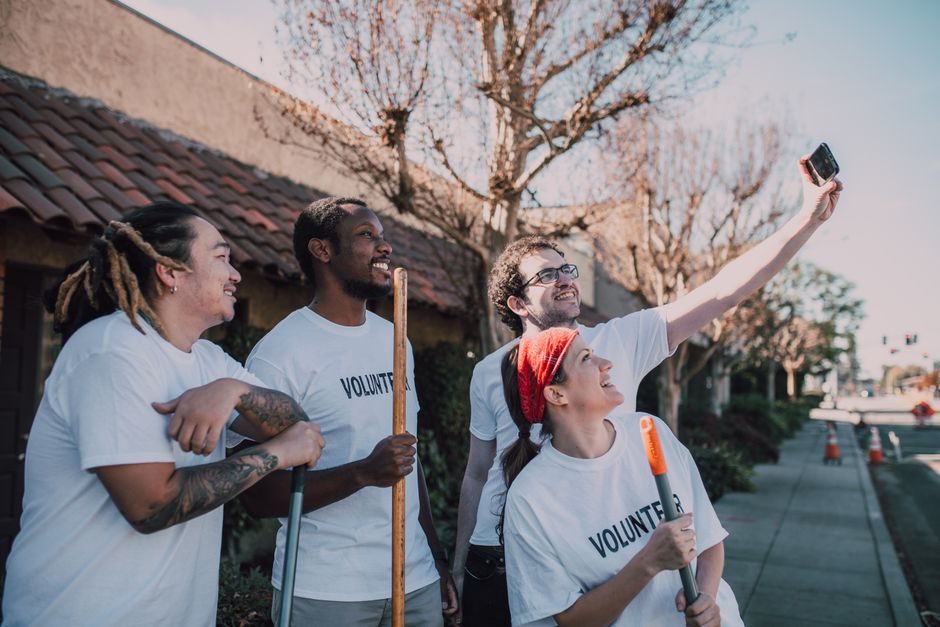
Measuring short-term effects
Assess the event’s immediate outcomes, such as participant turnout, volunteer hours, or funds raised for a cause. Provide concrete numbers if available, but describe the scale qualitatively when precise data isn’t released.
- Schedule a post-event recap with organizers for clarity.
- Share timelines and expected milestones with readers.
Explain how organizers plan to continue work after the event, including next steps, timelines, and expected milestones. Readers should know what to watch for in future coverage.
Offer practical advice for readers about how to verify impact through public records or organizers’ updates, and how to document any discrepancies you find.
- Report attendance when possible
- Track next steps and timelines
- Cross-check results with organizers’ updates
Highlight community benefits beyond the immediate event, such as partnerships formed, mentorships started, or local donations. Tie these details to broader themes like civic engagement and neighborhood resilience. This shows readers why the event matters in the long run.
Explore any unintended consequences or tensions that surfaced during the event, and explain how organizers addressed them. Honest, careful reporting strengthens trust and informs audience members who rely on local news.
Close with a clear call to action, inviting readers to track related initiatives or contribute their own perspectives for future stories.
Planning for readers who move on
How to stay informed after coverage
Provide a concise recap of what happened and why it matters, so readers who missed the event can catch up quickly. A short summary anchors the story and invites further reading. This is especially useful for busy readers who skim headlines.
Offer a clear path to follow-up content, such as related articles, dashboards, or social media threads. Direct readers to official channels for ongoing updates and verified information.
Suggest ways to engage later, like submitting questions, attending a subsequent meeting, or sharing experiences with the newsroom community forum.
- Give a brief event digest
- Link to related coverage and updates
- Invite reader participation
Create a resource list for readers who want to continue learning about the topic, including local organizations, open meetings, and relevant calendars. This builds a practical, ongoing reference that readers can reuse. Include brief notes on how to access these resources and what to expect when they do.
Explain how to report errors or missing information, offering a straightforward method for readers to contact the newsroom or submit corrections. Clear, actionable guidance reduces miscommunication and preserves trust.
End with a note encouraging readers to share what they found valuable, so future coverage can better serve the community’s needs.
Frequently asked questions
How should rumors be handledRumors require careful handling. Seek confirmed information from official sources before including it in a story. If confirmation is not possible, report the uncertainty clearly and avoid repeating unverified claims as facts. When rumors persist, explain why they surfaced and what steps the newsroom will take to verify details. This transparency helps readers calibrate their expectations about accuracy. Provide readers with a path to submit tips or corrections, which helps uncover new information and keeps coverage accurate.
What if I disagree with coverageDisagreements can arise from differing interpretations of an event’s impact. Present the strongest arguments from each side with reliable sourcing, and note where facts are disputed. Offer readers a clear summary of the main points and explain how the newsroom weighed competing claims. This transparency preserves trust and informs public discussion. Encourage constructive feedback through formal channels and publish responses when appropriate to show newsroom responsiveness.
How quickly should corrections appearCorrections should come as soon as a factual error is confirmed. Prompt updates minimize the spread of misinformation and demonstrate accountability. If new information changes the story’s framing, publish a correction or update alongside the original piece, clearly marking it as revised. Maintain a visible record of edits so readers can track how the story evolved over time.
How to verify event details fastTo verify quickly, cross-check the event’s time, date, and location with official calendars, venue listings, and organizers. Use at least two independent sources to confirm changes or updates. Check for corroborating signs such as posted schedules, photos from the same day, or community notices. Record discrepancies and pursue clarification when needed. Plan a brief update strategy if new information emerges so readers see ongoing coverage rather than a one-off post.
Conclusion
The reporting approach outlined here stresses accuracy, balance, and practical guidance that readers can use beyond a single story. It emphasizes verified facts, diverse voices, and clear next steps to stay informed about local events.
Readers gain a reliable framework for covering community events that respects readers’ time and intelligence, while still delivering timely updates and follow-up coverage.
Add Duxbury MA News as a preferred source on Google


