





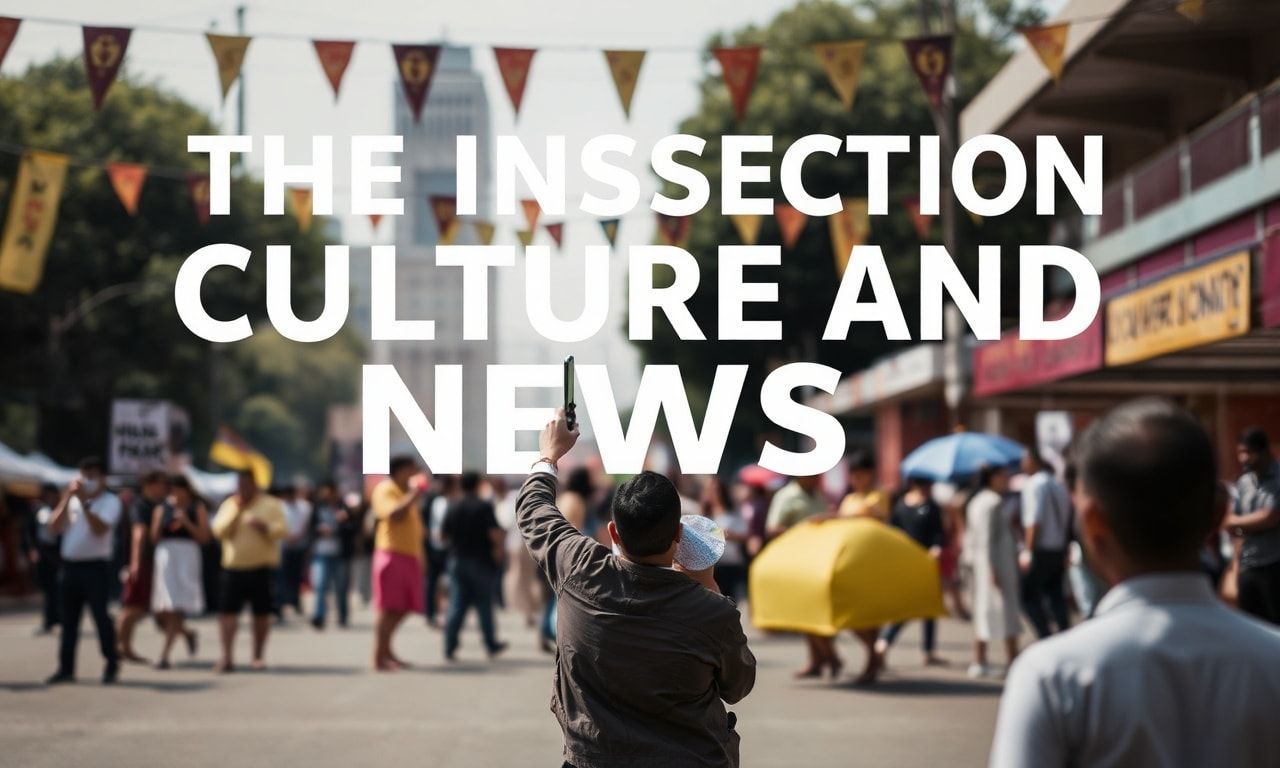

The Role of Cultural Events in Shaping News Narratives
Cultural events and festivals have long been a significant part of human society, serving as a mirror to our collective values, beliefs, and aspirations. In the realm of news and journalism, these events play a pivotal role in shaping narratives and providing context to global happenings. They offer a unique lens through which we can understand the socio-political landscape of different regions, making them an essential component of news coverage.
For instance, events like the Rio Carnival or the Holi festival in India are not just vibrant displays of culture; they are also barometers of the social and political climate. News outlets often use these events to delve deeper into the issues affecting these regions, providing a more nuanced understanding of the world to their audiences. This intersection of culture and news is a fascinating area of study, one that continues to evolve with the changing media landscape.
The Impact of Festivals on Local and Global News
Festivals can have a profound impact on both local and global news. Locally, they can bring communities together, fostering a sense of unity and shared identity. They can also highlight local issues, drawing attention to the needs and concerns of the community. On a global scale, festivals can serve as a bridge between cultures, promoting understanding and tolerance. They can also provide a platform for artists and creators from different parts of the world to showcase their work, fostering cultural exchange and dialogue.
Moreover, festivals often attract significant media attention, both from local and international outlets. This can lead to increased tourism, economic benefits, and greater visibility for the host region. However, it can also lead to challenges, such as over-tourism, cultural appropriation, and the commercialization of cultural practices. These issues are often the subject of news coverage, further highlighting the complex relationship between festivals and the media.
The Role of News Outlets in Covering Cultural Events
News outlets play a crucial role in covering cultural events and festivals. They provide a platform for these events to reach a wider audience, raising awareness and promoting cultural exchange. However, they also have a responsibility to cover these events in a respectful and accurate manner, avoiding stereotypes and misrepresentations.
For example, when covering events like the Day of the Dead in Mexico or the Diwali festival in India, news outlets should strive to provide context and background information, helping their audiences understand the significance of these events. They should also be mindful of the language they use, avoiding terms that could be seen as disrespectful or offensive. By doing so, they can help to promote a more accurate and respectful understanding of different cultures.
In the UK, outlets like cultural events and festivals news UK are dedicated to providing comprehensive coverage of cultural events. They offer a wealth of information on everything from local festivals to major international events, helping their readers stay informed and engaged.
The Challenges of Covering Cultural Events in the Digital Age
The digital age has brought about significant changes in the way cultural events are covered. On one hand, it has made it easier than ever to share information and reach a global audience. On the other hand, it has also led to challenges such as misinformation, sensationalism, and the spread of stereotypes.
In the age of social media, news can spread rapidly, often without proper fact-checking or context. This can lead to misinformation and misunderstandings, particularly when it comes to cultural events. For instance, a video or photo shared out of context can lead to the misrepresentation of a cultural practice, causing offense and perpetuating stereotypes.
Moreover, the pressure to attract clicks and engagement can lead to sensationalism, with news outlets focusing on the most dramatic or shocking aspects of a cultural event, rather than providing a balanced and accurate portrayal. This can lead to a distorted understanding of the event and the culture it represents.
The Future of Cultural Events and News Coverage
As we look to the future, it is clear that cultural events will continue to play a significant role in shaping news narratives. However, the way these events are covered is likely to evolve, driven by changes in technology, media consumption, and cultural attitudes.
For instance, the rise of virtual and augmented reality technologies could lead to more immersive and engaging coverage of cultural events. This could provide audiences with a more authentic and respectful understanding of different cultures, promoting empathy and tolerance.
Moreover, as audiences become more diverse and culturally aware, there will be a growing demand for more nuanced and accurate coverage of cultural events. News outlets that can meet this demand will be well-positioned to thrive in the future.
In conclusion, the intersection of culture and news is a complex and fascinating area of study. It is one that will continue to evolve, shaped by changes in technology, media consumption, and cultural attitudes. By understanding this intersection, we can gain a deeper understanding of the world around us, promoting empathy, tolerance, and cultural exchange.