





The Rise of Asian Massage Therapy in Western Wellness Culture
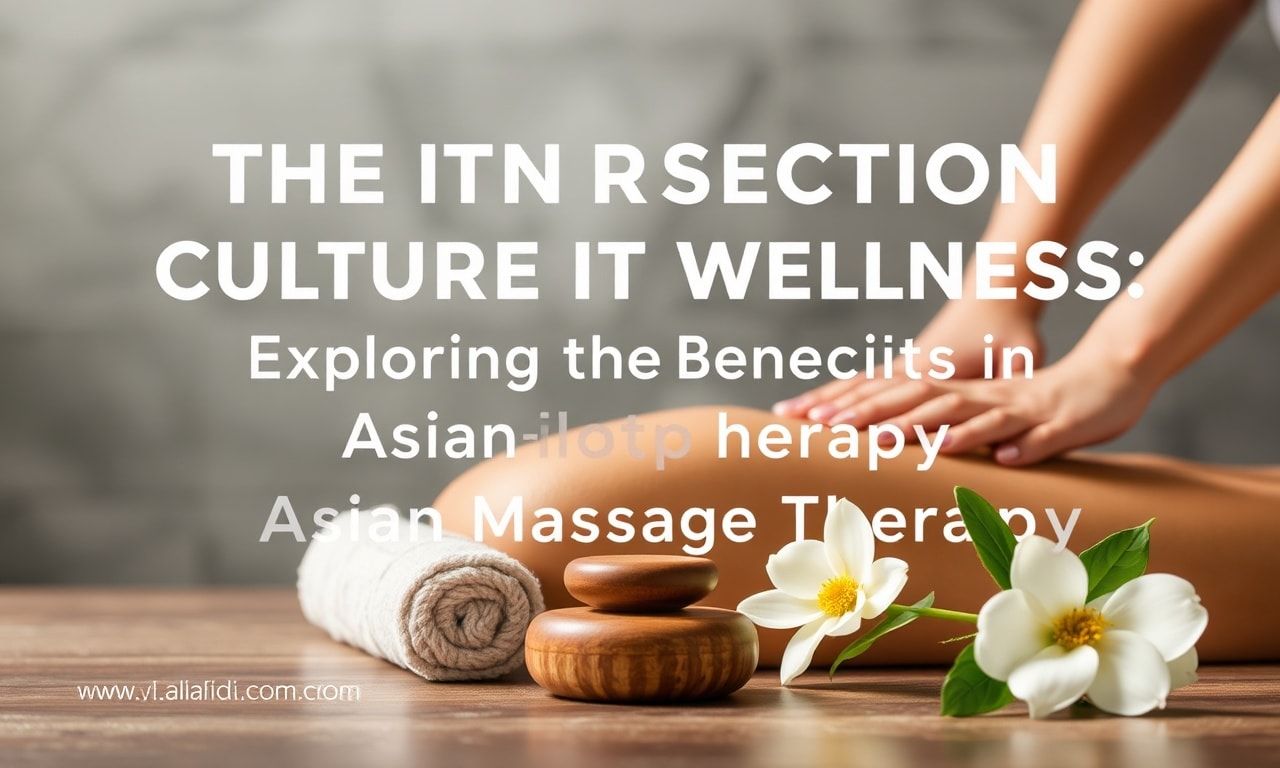
The wellness industry has seen a significant influx of Eastern practices in recent years, with Asian massage therapy gaining substantial popularity. This trend is not merely a fleeting fad but a testament to the profound benefits these ancient techniques offer. As more people seek holistic approaches to health, the integration of Asian massage therapy into Western wellness routines has become increasingly prevalent. This article delves into the cultural significance, health benefits, and practical tips for incorporating Asian massage techniques into daily life.
The Cultural Significance of Asian Massage
Asian massage therapy is deeply rooted in the cultural and spiritual traditions of various Asian countries, including China, Japan, Thailand, and India. These practices are not just about physical relaxation but also about balancing the body’s energy flow, known as ‘Qi’ in Chinese medicine or ‘Prana’ in Ayurveda. Techniques such as Shiatsu, Thai massage, and Tuina have been practiced for centuries, each with its unique approach to healing and wellness. Understanding the cultural context of these practices can enhance the overall experience and appreciation for their therapeutic value.
Health Benefits of Asian Massage Therapy
Asian massage therapy offers a wide range of health benefits, from physical relief to mental well-being. Some of the most notable advantages include:
- Improved Circulation: Techniques like Shiatsu and Thai massage are designed to stimulate blood flow and lymphatic drainage, promoting better circulation and detoxification.
- Pain Relief: Many Asian massage modalities are effective in alleviating chronic pain, muscle tension, and joint stiffness.
- Stress Reduction: The gentle, rhythmic movements and pressure points targeted in these massages help reduce stress and anxiety, promoting a sense of calm and relaxation.
- Enhanced Flexibility and Mobility: Regular sessions can improve flexibility and range of motion, making it beneficial for athletes and those with sedentary lifestyles.
- Boosted Immune System: By enhancing circulation and reducing stress, Asian massage therapy can strengthen the immune system, helping the body fight off illnesses more effectively.
Incorporating Asian Massage Techniques into Daily Life
While professional massage sessions are ideal, there are ways to incorporate Asian massage techniques into your daily routine. For instance, self-massage techniques can be practiced at home to alleviate tension and improve circulation. Additionally, understanding basic principles of asian massage tips for better circulation can help you make the most out of your wellness routine. Simple practices like foot reflexology, hand massages, and gentle stretching can provide immediate relief and long-term benefits.
Choosing the Right Massage Technique
With a variety of Asian massage techniques available, it’s essential to choose the one that best suits your needs. Here are some popular options:
- Shiatsu: Originating from Japan, Shiatsu involves finger pressure on specific points to balance the body’s energy.
- Thai Massage: This dynamic practice combines stretching, pulling, and rocking movements to improve flexibility and energy flow.
- Tuina: A Chinese therapeutic massage that focuses on aligning the body’s energy channels and relieving pain.
- Ayurvedic Massage: Rooted in Indian tradition, this massage uses warm oils to balance the body’s doshas and promote overall well-being.
Consulting with a professional massage therapist can help you determine the best technique for your specific health goals and preferences.
The Future of Asian Massage Therapy in Western Wellness
As the demand for holistic and integrative health practices continues to grow, Asian massage therapy is poised to play an even more significant role in Western wellness culture. The integration of these ancient techniques with modern medical practices offers a comprehensive approach to health and well-being. By embracing the wisdom of Asian massage therapy, individuals can achieve a more balanced and healthier lifestyle, enhancing both physical and mental well-being.
In recent health news, alternative treatments gain traction in Türkiye, as explored in the rise of holistic care.
As Bangladesh’s economy continues to evolve, understanding the financial landscape is crucial for both residents and investors, which is why we recommend exploring key insights into Bangladesh’s economy.
To stay informed about the latest developments, consider reviewing recent significant news in Turkey which highlights key events shaping the region.