





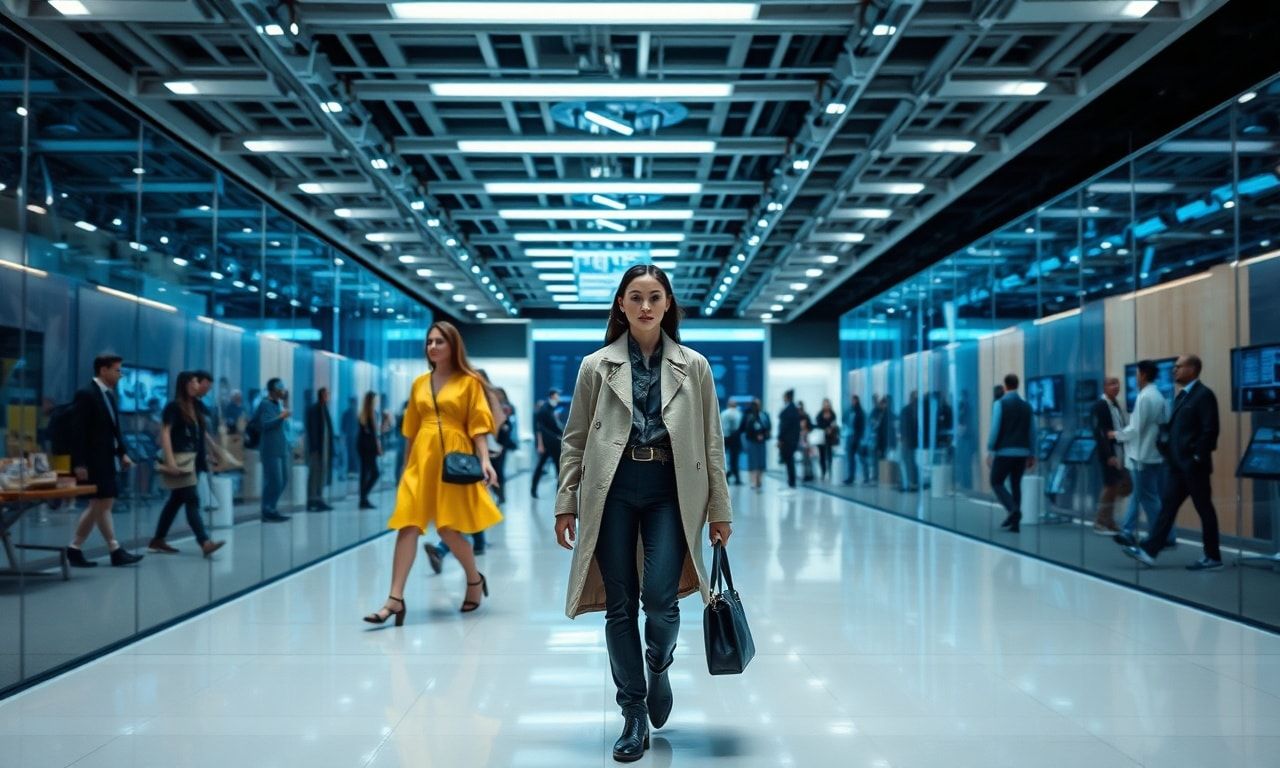

The Evolution of Fashion in the Digital Age
The fashion industry has always been at the forefront of innovation, constantly evolving to meet the demands of a dynamic world. As we look ahead to 2026, the intersection of fashion and technology is set to redefine the way we perceive and interact with clothing. This fusion is not just about aesthetics; it’s about functionality, sustainability, and personal expression.
The Role of Technology in Fashion
Technology is playing an increasingly pivotal role in the fashion industry. From 3D printing to augmented reality (AR) fitting rooms, the integration of tech is transforming every aspect of the fashion value chain. These advancements are making fashion more accessible, personalized, and environmentally friendly. For instance, AI-driven algorithms are now capable of designing clothing that caters to individual preferences, ensuring a perfect fit and style.
Moreover, the rise of virtual fashion shows and digital clothing is revolutionizing the way brands engage with their audiences. These innovations are not only reducing the environmental impact of the industry but also democratizing access to high fashion. The 2026 modası giyim stil is expected to be heavily influenced by these technological advancements, offering consumers a more immersive and interactive shopping experience.
Sustainability and Ethical Fashion
As consumers become more conscious of their environmental footprint, the demand for sustainable and ethical fashion is on the rise. The fashion industry is responding by adopting eco-friendly practices and materials. Innovations such as biodegradable fabrics, upcycled materials, and zero-waste patterns are becoming the norm. Brands are also focusing on transparency, ensuring that their supply chains are ethical and sustainable.
In 2026, we can expect to see a significant shift towards circular fashion, where clothing is designed for longevity and recyclability. This approach not only reduces waste but also promotes a more sustainable consumption model. The integration of technology in this realm is crucial, as it enables brands to track and optimize their supply chains, ensuring that every step of the process is environmentally responsible.
The Future of Personalization
Personalization is a key trend that will continue to shape the fashion industry in the coming years. With the advent of AI and data analytics, brands are now able to offer highly personalized products that cater to individual tastes and preferences. This level of customization is not just limited to clothing; it extends to accessories, footwear, and even beauty products.
In 2026, we can expect to see a rise in the use of biometric data to create personalized fashion recommendations. This data-driven approach will enable brands to offer a more tailored shopping experience, ensuring that customers find products that not only fit well but also align with their personal style. The integration of AR and virtual try-on technologies will further enhance this experience, allowing customers to visualize how a piece of clothing will look on them before making a purchase.
The Impact of Social Media
Social media has become a powerful tool in the fashion industry, influencing trends and shaping consumer behavior. Platforms like Instagram, TikTok, and Pinterest are not just places to share photos; they are virtual runways where new styles are discovered and popularized. In 2026, we can expect to see an even greater integration of social media into the fashion ecosystem.
Brands are already leveraging the power of influencers and user-generated content to reach a wider audience. This trend is set to continue, with social media playing a crucial role in driving sales and engagement. The rise of virtual influencers and digital fashion shows is also expected to gain momentum, offering a new way for brands to connect with their audiences. As technology continues to evolve, the line between the physical and digital worlds will become increasingly blurred, creating a more immersive and interactive fashion experience.
Conclusion
The fashion industry is on the cusp of a technological revolution that will redefine the way we interact with clothing. From sustainable practices to personalized experiences, the future of fashion is set to be more innovative, inclusive, and environmentally conscious. As we look ahead to 2026, the integration of technology and fashion will continue to shape the industry, offering consumers a more dynamic and engaging shopping experience. The 2026 modası giyim stil will be a testament to this evolution, showcasing the best of what the future has to offer.
If you enjoyed this article, we recommend checking out Dijital Dönüşümün Yeni Yüzü: Teknolojiyle Donanmış for further reading.
For more insights on this topic, you might find The Intersection of Fashion and Technology: particularly informative.