





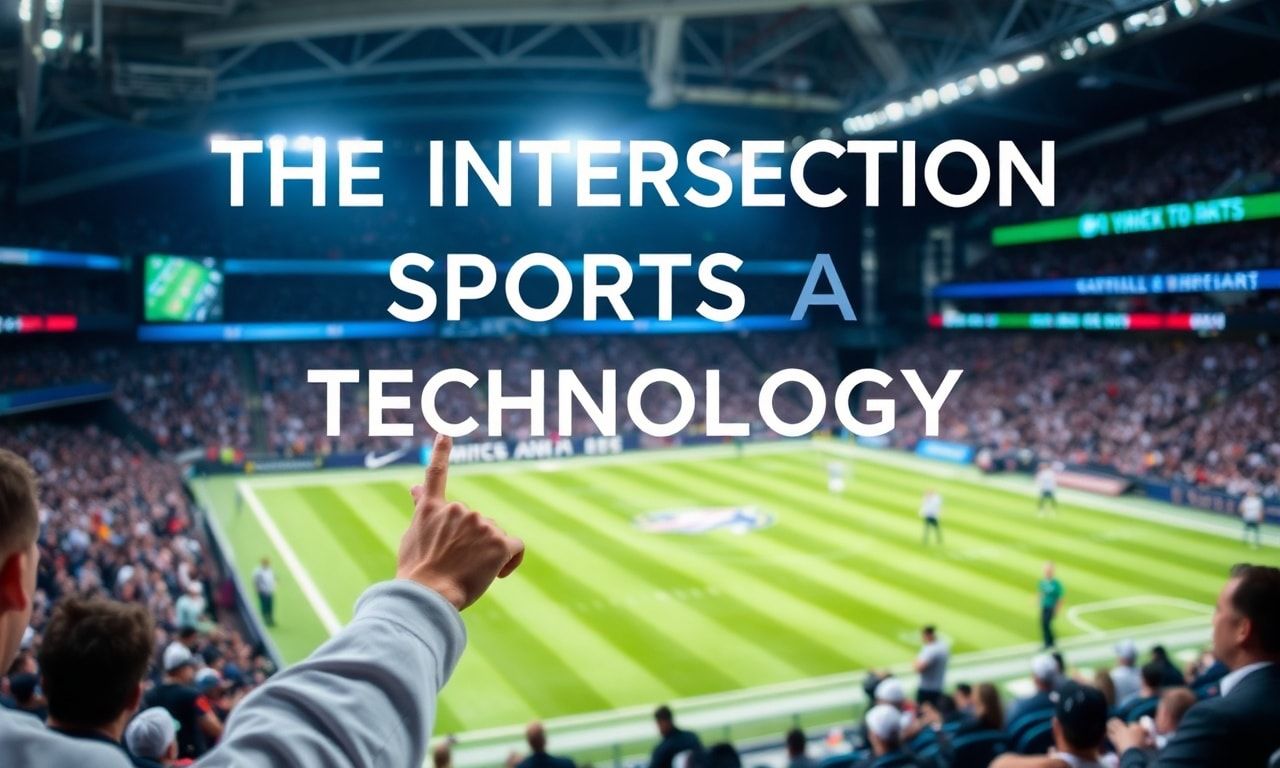

The Evolution of Sports in the Digital Age
The world of sports is undergoing a significant transformation, driven by rapid advancements in technology. From the way games are played to how fans engage with their favorite teams, technology is reshaping every aspect of the sports industry. This evolution is not only enhancing the viewing experience but also providing new opportunities for athletes, coaches, and fans alike. As we delve into this new era, it’s clear that the intersection of sports and technology is creating a dynamic and exciting landscape.
Enhancing the Fan Experience
One of the most notable impacts of technology on sports is the enhancement of the fan experience. With the advent of high-definition broadcasts, virtual reality (VR), and augmented reality (AR), fans can now enjoy games from the comfort of their homes with an unprecedented level of immersion. Streaming services and mobile apps allow fans to access live games, highlights, and exclusive content anytime, anywhere. Additionally, social media platforms have become integral to fan engagement, providing a space for real-time discussions, interactive polls, and behind-the-scenes access to athletes and teams.
For those looking to deepen their understanding of sports technology, there are numerous helpful resources online guide available. These resources offer insights into the latest trends, innovations, and tools that are revolutionizing the sports industry. Whether you’re a die-hard fan or a casual observer, these guides can provide valuable information on how technology is changing the game.
The Role of Data Analytics
Data analytics has become a game-changer in the world of sports. Teams and coaches are increasingly relying on data to make strategic decisions, optimize player performance, and gain a competitive edge. Wearable technology, such as smartwatches and fitness trackers, provides real-time data on player health, fitness levels, and performance metrics. This data is then analyzed to identify patterns, predict injuries, and develop personalized training programs. The use of data analytics is not limited to on-field performance; it also extends to off-field activities, such as marketing strategies and fan engagement initiatives.
Innovations in Sports Equipment
Technological advancements have also led to the development of innovative sports equipment that enhances performance and safety. For example, smart balls and sensors embedded in equipment provide real-time feedback on technique, speed, and accuracy. These tools help athletes refine their skills and achieve better results. Additionally, advancements in materials science have led to the creation of lighter, stronger, and more durable sports gear, reducing the risk of injuries and improving overall performance.
The Future of Sports Technology
The future of sports technology holds even more exciting possibilities. Emerging technologies such as artificial intelligence (AI), machine learning, and the Internet of Things (IoT) are poised to revolutionize the sports industry further. AI-powered algorithms can analyze vast amounts of data to predict outcomes, identify talent, and develop personalized training programs. Machine learning can be used to improve player performance, optimize team strategies, and enhance fan engagement. The IoT can connect various devices and systems, providing a seamless and integrated experience for athletes, coaches, and fans.
Virtual and Augmented Reality
Virtual and augmented reality technologies are set to transform the way fans experience sports. VR allows fans to immerse themselves in the action, providing a 360-degree view of the game from the comfort of their homes. AR enhances the viewing experience by overlaying real-time statistics, player information, and interactive elements onto the live broadcast. These technologies not only enhance the fan experience but also create new revenue streams for sports organizations through virtual ticket sales, sponsorships, and advertising.
Conclusion
The intersection of sports and technology is creating a new era of fan engagement, performance optimization, and strategic decision-making. As technology continues to evolve, the sports industry will undoubtedly see even more innovations that enhance the overall experience for athletes, coaches, and fans. By embracing these advancements, the sports world is poised to enter an exciting and dynamic future.
In a display of resilience and unity, residents in Stirling are taking action against recent flooding; learn more about their efforts in community’s fight against floods.
In the rapidly evolving world of online business, a candid account of e-commerce realities offers a gripping narrative; the struggles of an entrepreneur reveals the harsh truths behind the digital storefront.
In the midst of ongoing health discussions, a new personal account offers practical insights with what actually improved gut health.