





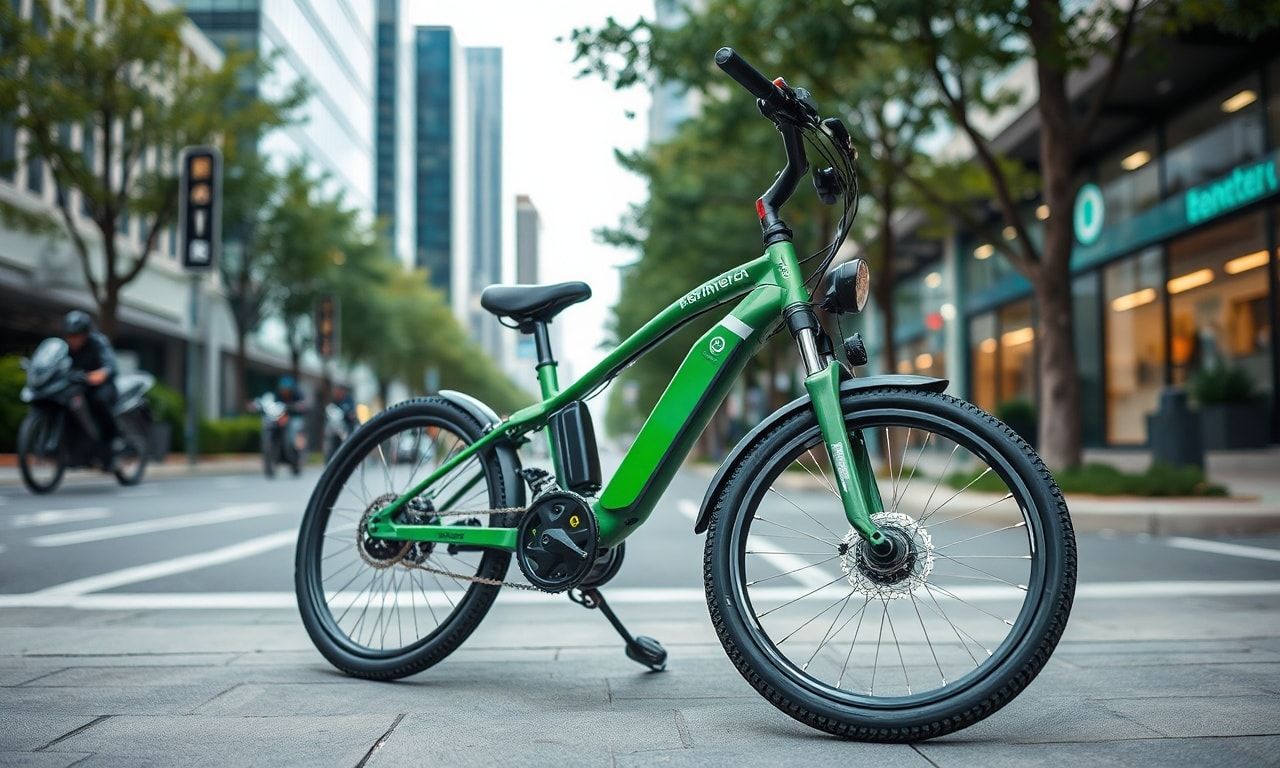

The Surge in Electric Bike Popularity
The urban landscape is witnessing a significant shift in transportation preferences, with electric bikes (e-bikes) emerging as a popular choice among commuters. This surge in popularity can be attributed to several factors, including environmental consciousness, technological advancements, and the need for efficient urban mobility. According to recent studies, the global e-bike market is projected to reach $46.94 billion by 2027, growing at a compound annual growth rate (CAGR) of 7.4% from 2020 to 2027. This growth underscores the increasing acceptance and integration of e-bikes into daily life.
Environmental Benefits of Electric Bikes
One of the primary drivers behind the rise of e-bikes is their positive impact on the environment. E-bikes produce zero emissions, making them an eco-friendly alternative to traditional gas-powered vehicles. By reducing the number of cars on the road, e-bikes help decrease air pollution and greenhouse gas emissions, contributing to cleaner air and a healthier planet. Additionally, the energy required to charge an e-bike is significantly lower than that needed to fuel a car, further reducing the carbon footprint. Cities around the world are encouraging the use of e-bikes through incentives such as tax credits, subsidies, and the development of dedicated bike lanes.
Technological Advancements and Accessibility
The technological advancements in e-bike design and functionality have made them more accessible and appealing to a broader audience. Modern e-bikes are equipped with powerful motors, long-lasting batteries, and advanced features such as regenerative braking and smart connectivity. These innovations have enhanced the overall riding experience, making e-bikes a viable option for both short commutes and longer journeys. Furthermore, the availability of various models catering to different needs and budgets has democratized e-bike ownership, allowing more people to embrace this sustainable mode of transportation.
Electric Bike Maintenance Tips for Long-Term Use
To ensure the longevity and optimal performance of e-bikes, proper maintenance is crucial. Regularly checking and maintaining the battery, tires, brakes, and electrical components can extend the lifespan of an e-bike. For instance, keeping the battery charged and storing it in a cool, dry place can prevent degradation. Additionally, cleaning the bike regularly and lubricating the chain can prevent wear and tear. For more detailed guidance, resources like electric bike maintenance tips for long-term use provide valuable insights into keeping your e-bike in top condition.
The Economic Impact of Electric Bikes
The growing popularity of e-bikes has also had a positive economic impact. The e-bike industry has created numerous jobs in manufacturing, retail, and maintenance sectors. Additionally, the increased demand for e-bikes has spurred innovation and competition among manufacturers, leading to more affordable and high-quality options for consumers. The economic benefits extend to urban planning as well, with cities investing in infrastructure such as bike lanes and charging stations to support e-bike usage. These investments not only improve urban mobility but also contribute to the local economy by creating jobs and stimulating economic growth.
The Future of Electric Bikes
The future of e-bikes looks promising, with continued advancements in technology and increasing environmental awareness driving their adoption. As cities become more congested and the need for sustainable transportation solutions grows, e-bikes are poised to play a pivotal role in shaping the future of urban mobility. Governments and private sectors are increasingly recognizing the benefits of e-bikes and are investing in policies and infrastructure to support their use. With ongoing innovations in battery technology, motor efficiency, and smart features, e-bikes are set to become even more efficient, affordable, and accessible.
Challenges and Considerations
Despite the numerous benefits, there are challenges and considerations associated with the widespread adoption of e-bikes. Safety concerns, such as the need for proper training and adherence to traffic rules, are crucial to ensuring the safe integration of e-bikes into urban transportation systems. Additionally, the initial cost of e-bikes can be a barrier for some consumers, although the long-term savings on fuel and maintenance can offset this expense. Addressing these challenges through education, policy, and technological advancements will be key to maximizing the potential of e-bikes as a sustainable transportation solution.