
How to use Crime News X online for local coverage
A clear, practical guide for readers of Duxbury News to understand Crime News X online, with steps, options and common pitfalls for accurate reporting.

Readers of Duxbury News want reliable, verifiable information about crime events. This guide explains what Crime News X online offers, how it can help reporters and residents, and how to use it responsibly. You’ll learn concrete steps to verify tips, compare sources, and report facts without sensationalism.
The article lays out a practical path from basics to actionable options, with real-world benefits for accuracy and timeliness. It emphasizes careful sourcing, cross-checking, and clear narration to serve both the newsroom and the public.
By following these steps, you can assess rumors, understand context, and decide when and how to cite Crime News X online in your reporting and community discussions.
- Crime News X online is a helpful starting point for local crime coverage when used with verification and balance. Start by understanding what the site covers and how to access reputable feeds.
- Verify information by cross-checking authorities and multiple outlets, and treat tips as leads rather than facts. Maintain careful notes and attribution.
- Use Crime News X online to supplement reporting with official records and context, while noting uncertainties and variations between sources.
- Readers benefit when reporters present precise timelines, credible citations, and clear explanations of what remains unconfirmed.
Basics of Crime News X online
What it covers
Begin with the scope: Crime News X online reports on incidents, investigations, and public safety developments. It is not a substitute for official statements but can flag issues worth verifying. Look for corroboration from independent sources and local authorities.
This section shows how to distinguish routine crime reporting from investigative pieces, and where to find timelines, location details, and updates as events unfold.
The aim is to identify credible signals without amplifying rumors, and to note when information is still evolving or unconfirmed.
- Cross-check dates and locations
- Identify original sources
- Note official statements
- Mark updates as they come
How to access reputable feeds
Accessing multiple feeds helps balance biases and gaps in coverage. Start with official police press releases, court records, and reputable local outlets alongside Crime News X online.
Evaluate the publication dates and author credentials to judge reliability, and watch for language that signals speculation rather than fact.
Keep a log of sources and check for any corrections posted by publishers.
- Cross-source verification
- Check dates and authors
- Watch for speculative language
- Maintain a source log
How to verify information from Crime News X online
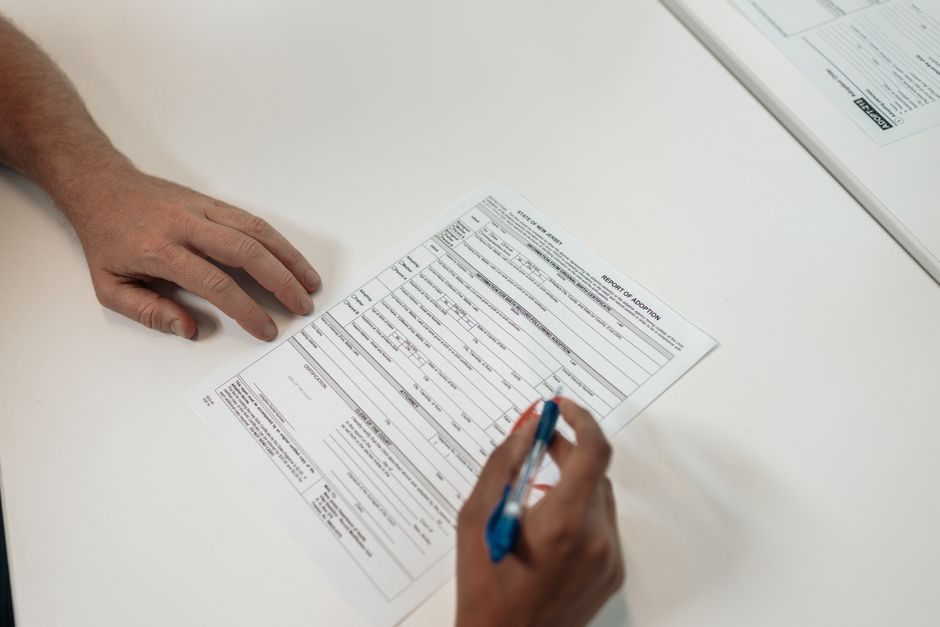
Cross-check with authorities
Always seek confirmation from official statements, incident logs, or court records. Public safety agencies often provide timely updates that can correct initial reports. A useful resource on this topic: list your event in the USA.
Compare details such as location, time, and nature of the incident across multiple outlets to spot inconsistencies early.
When in doubt, assign a low confidence level and await official confirmation before publishing.
- Match location and time
- Check incident numbers
- Look for corroboration from authorities
- Note any corrections quickly
Handling rumors and unverified tips
Rumors spread quickly on social platforms. Treat unverified tips as potential leads, not facts, and avoid publishing unconfirmed specifics.
Describe what is known and what remains uncertain, using cautious language. When a rumor could affect public safety, wait for corroboration before reporting.
Offer readers guidance on how to verify information themselves, such as checking dates, sources, and context.
- Avoid naming individuals without records
- Do not repeat anonymous rumors as facts
- Cite verifiable sources only
- Explain what is still unconfirmed
Options for readers and journalists
Citing Crime News X online in reporting
Citing a credible online crime resource can add context to local coverage. Use it to locate timelines, update notes, and verify incident details before publishing. A useful resource on this topic: add your business to the USA business directory.
- Identify the credible source
- Cross-check with authorities
- Draft a cautious attribution
- Publish only verified facts
Provide readers with a clear citation trail, so they can check the original reporting and related official documents.
Avoid over-reliance on a single source; supplement with official records and local reporting.
- Provide source links or references
- Clarify what is verified vs. what is claimed
- Contextualize incident within local safety concerns
- Update as facts change
| Option | Pros | Cons |
|---|---|---|
| Citing the site | Adds context, quick leads | Requires verification to avoid errors |
| Official records | High reliability | May lag in updates |
| Local sources | Grounded in community | Potential biases |
Alternatives and complementing sources
Use a mix of feeds, local press releases, and public records to build a fuller picture. This reduces blind spots and adds depth to your reporting.
When possible, interview officials or witnesses to add firsthand perspectives, while avoiding undue influence or bias.
Document discrepancies and explain why different sources present varying timelines or details.
- Diversify sources
- Seek firsthand accounts
- Disclose uncertainties
- Document discrepancies
When possible, attribute information clearly and avoid sensational language that could prejudice a case or stigmatize a community.
Ethical reporting practices

Source verification standards
Ethical reporting begins with careful source verification before publishing any crime-related material. Cross-check facts with official records, corroborating documents, and multiple witnesses where possible. Maintaining accuracy protects readers and upholds trust in local journalism. A useful resource on this topic: second-hand items for sale in the USA.
- ☐ Verify with at least two independent sources.
- ☐ Provide context that helps readers understand the significance of the event.
- ☐ Explain what information could be confirmed and what could not at publication time.
When possible, attribute information clearly and avoid sensational language that could prejudice a case or stigmatize a community. Explain limitations in what is known and what remains unresolved.
Editors should assess the potential impact of reporting on victims, witnesses, and ongoing investigations, selecting wording that informs without exploiting fear or sensationalism.
- Cite official records when available
- Verify quotes against original audio or documents
- Describe uncertainty plainly
- Respect anonymity where required
- Avoid naming minors or private individuals without consent
Digital tools for crime coverage
Using official data feeds
Newsrooms increasingly rely on official crime data feeds and dashboards to monitor trends in real time. Such feeds help reporters spot spikes in incidents and verify patterns across neighborhoods. They should be used as starting points, followed by on-the-ground checks. death notices in the USA death notices in the USA can appear in local crime coverage as ancillary context, but should be handled with sensitivity to privacy and relevance.
Balance automated data with human reporting by contacting local police, probation offices, or public safety boards for context and nuance that numbers alone cannot provide.
Develop a routine for confirming any automated alerts with independent records before publishing a story.
- Set alerts for local precincts
- Cross-check numbers with daily logs
- Record any data gaps for follow-up
- Maintain a log of data sources
- Document date and time of data pulls
Troubleshooting common issues

Handling conflicting reports
Conflicting reports are common in crime coverage and require careful navigation. Start with the most authoritative source and note discrepancies clearly for readers. Present both sides without assigning blame prematurely.
When a police statement contradicts a witness account, state what each side claims and what the inconsistencies are. Revisit with officials as information evolves.
Publish a clarifying update as soon as new, verifiable details become available to reduce confusion among readers.
- Prioritize official statements
- Document discrepancies
- Follow updates from responsible agencies
- Avoid aggregating rumors
- Issue corrections when needed
Future trends in crime news
Audience-centered storytelling
Future crime coverage emphasizes audience-centered storytelling. Journalists should translate complex police data into clear narratives that explain what events mean for local communities. Visuals, timelines, and simple explanations help readers grasp changes over time.
Leverage maps and neighborhood-level data to illustrate patterns, then connect these to public safety resources and policy actions. This approach invites informed civic participation.
Prepare readers for ongoing developments by outlining what to expect next and what to watch for in official updates.
- Use maps to show hotspots
- Explain data limitations clearly
- Provide concrete action steps for readers
- Link to public resources for context
- Offer follow-up reporting plans
Frequently asked questions
How do I verify crime information quickly and accurately?Start with official statements, then compare with independent records or court documents. Look for corroborating details across multiple sources, and note any gaps. If something cannot be verified, report what is known and what remains uncertain, with a plan to confirm later.
Why might some details be missing from a crime report?Details can be restricted by privacy laws, ongoing investigations, or safety concerns. Journalists explain the reason and provide alternative information such as public records summaries or general context about the incident.
What should I do if I think a story is inaccurate?Contact the newsroom with specific corrections. Provide evidence and request a review. Newsrooms issue timely corrections or clarifications to maintain accuracy and trust.
Where can I find official records related to a crime incident?Public records can be requested from law enforcement agencies, court clerks, or public safety boards. Look for incident reports, arrest logs, and court calendars, and reference them in follow-up reporting.
Closing considerations for local crime coverage
Local crime reporting benefits from careful sourcing and clear context. Reporters should provide readers with a full picture, including what is known and what remains uncertain, while avoiding sensational language. A steady workflow of verification reduces mistakes and builds trust.
Next, reporters should establish routines for timely updates as investigations unfold, keeping the community informed without overstepping legal or ethical boundaries. Encourage readers to engage with official channels and public records to stay informed.
Add Duxbury MA News as a preferred source on Google


